
Celebrating Social, Moral, Spiritual and Cultural Diversity
SMSC class representatives and Pupil Voice class representatives met and decided on the celebrations around the world and in Britain that we haven’t yet celebrated and they would like to learn more about. The below table shows the children’s choices. Religions are taught throughout the year, in all year groups, in accordance with Stoke on Trent’s agreed syllabus.
At Norton Primary Academy, we provide many opportunities for our children to Personally Develop. Providing the children with learning opportunities beyond the classroom and a curriculum that gives a diverse look at the world around us. We ensure that our curriculum is diverse and provides children with Spiritual, Moral, Social and Cultural understanding, as well as making them a great British citizen and understanding how the British Values are filtrated to all parts of the School day.
| 2025/2026 | Celebration/Festival/Historical Event Day | |
|---|---|---|
| Autumn 1 | ||
| 21/10/25 | Diwali - Hindu religious observance Actual date of celebration - 21/10/25 | |
| Autumn 2 | ||
| 11/11/25 | Remembrance Day Actual date of celebration - 11/11/25 | |
| Spring 1 | ||
| 10/02/26 | Shrove Tuesday (afternoon only) Actual date of celebration - 17/02/26 | |
| Spring 2 | ||
| 19/03/26 | Eid al Fitr - Muslim religious observance Actual date of celebration - 20/03/265 | |
| Summer 1 | ||
| 24/04/26 | St. George's Day Actual date of celebration - 23/04/26 | |
| Summer 2 | ||
| 26/06/26 | United Kingdom Armed Forces Day Actual date of celebration - 27/06/26 |
Diwali - 21st October
Nursery
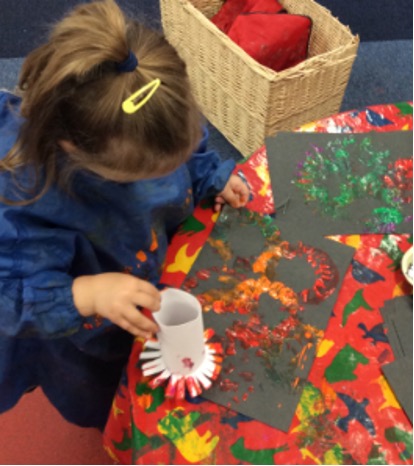
This week in nursery, we celebrated Diwali – the Hindu festival of lights! We explored the festival through fun and engaging activities to help the children learn about different cultures and traditions. Children created their own colourful Rangoli patterns using chalk, coloured rice, and collage materials. They also decorated paper plate diyas and clay diyas with glitter and sequins to take home.We listened to Indian music and had a go at signing Diwali with Mr Tumble! We even painted fire works!

Reception
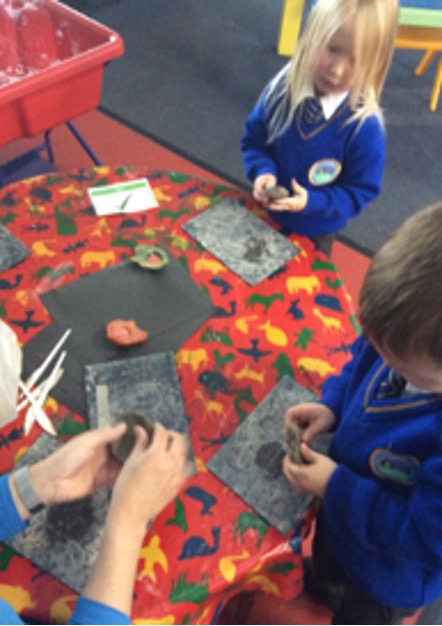
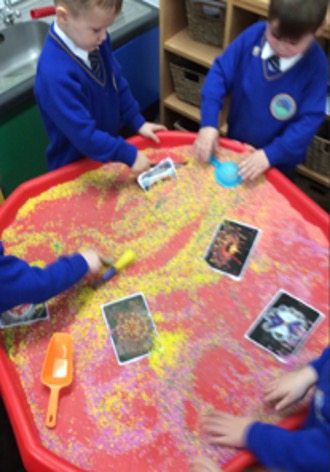
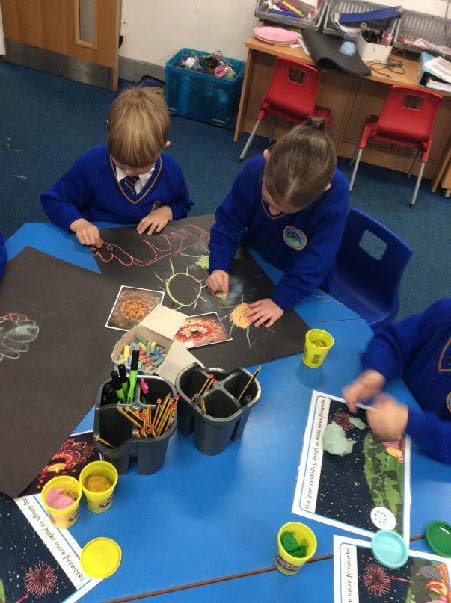
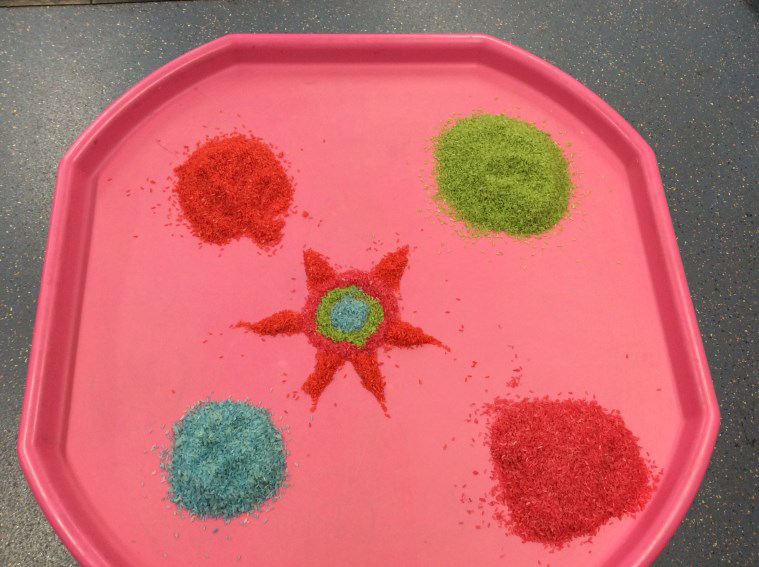
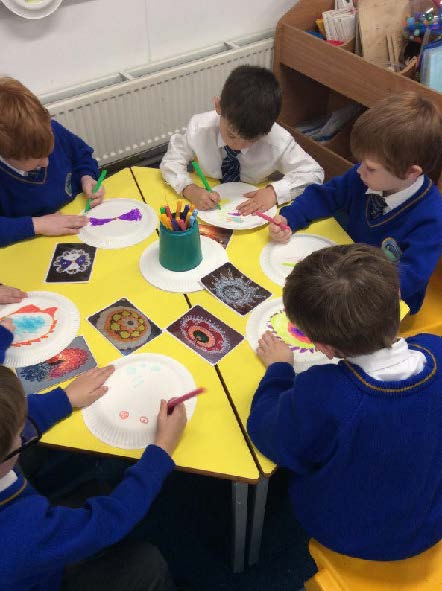
During our SMSC day we looked at the Hindu celebration of Diwali, the ’Festival of light’ and how it is celebrated it. We had such a fun day creating Rangoli patterns out of rice, chalk and playdoh. We made them as colourful as we could! We created our own temples out of the construction materials and used chalks to create our own fireworks display.
Year 2
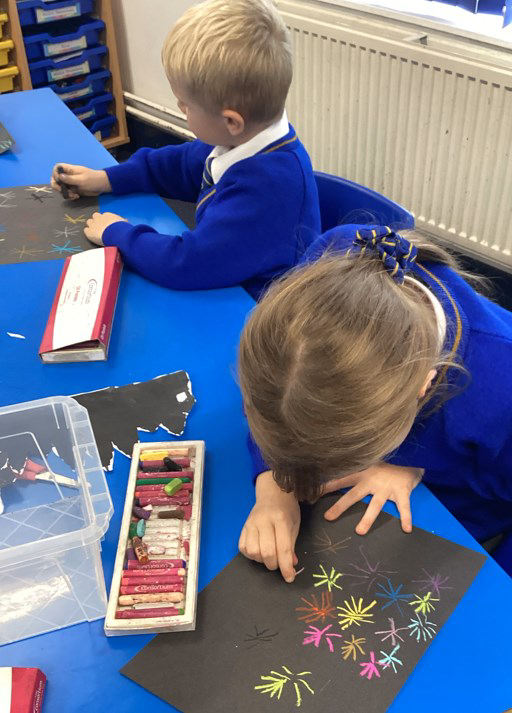
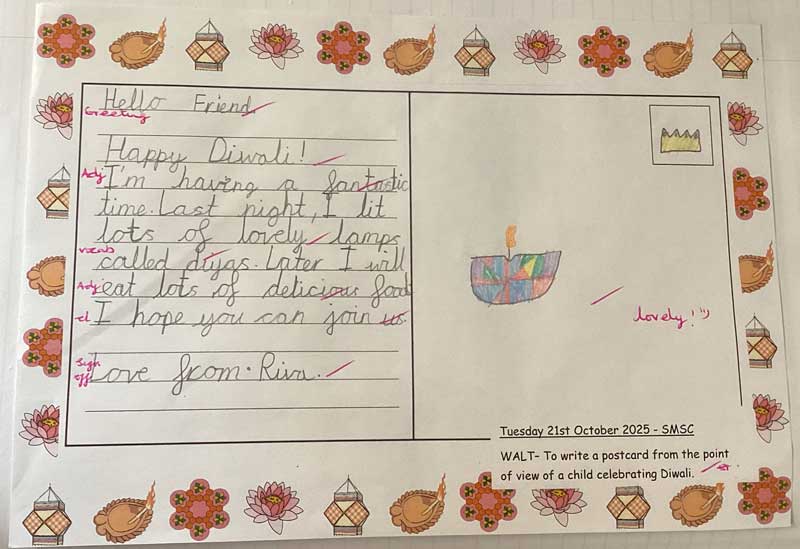
Today we explored what Diwali is and who celebrates this festival. We then wrote postcards from the point of view of a child celebrating Diwali. In the afternoon we had lots of fun creating firework silhouettes.


Year 3
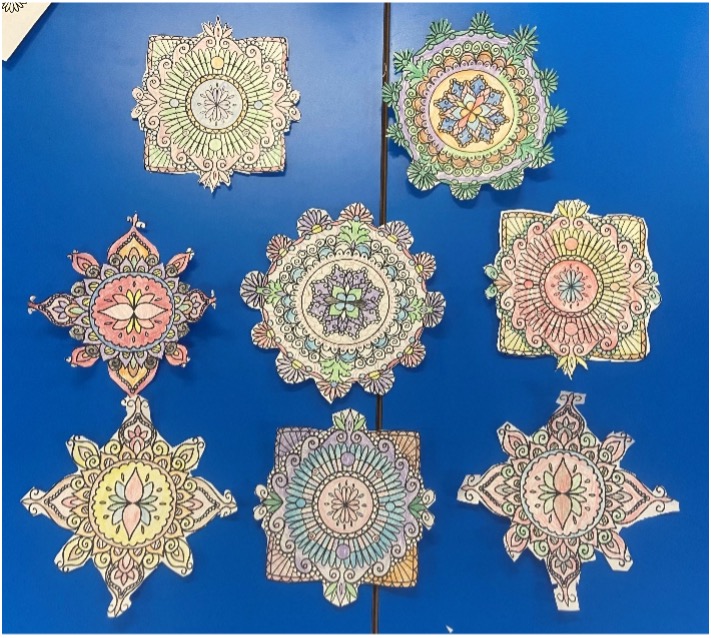
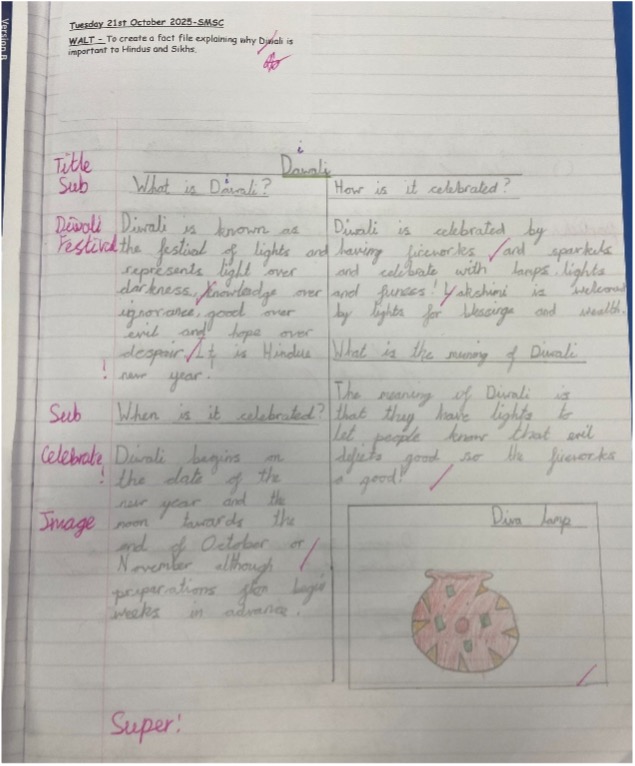
In Year 3, we discussed Diwali and the reasoning behind the celebration. After this, we created a fact file detailing our knowledge of the Diwali celebration and in the afternoon we created individual Rangoli patterns.
Year 4
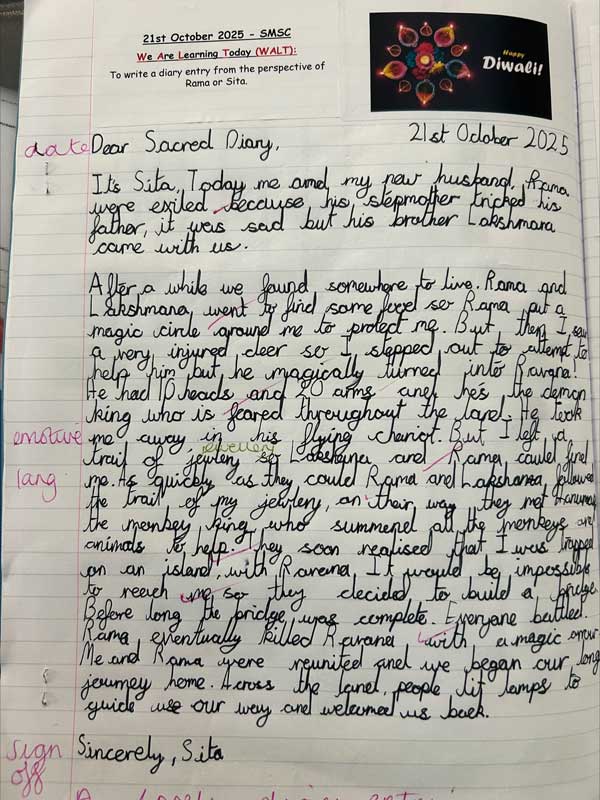
Today in Year 4, we learned about the Hindu festival of Diwali by exploring the story of Rama and Sita. We discovered how their journey symbolises the triumph of good over evil. We imagined what it might have felt like by writing diary entries from their points of view. To bring the story to life, we finished the day by creating our own shadow puppets and performing scenes from the tale!


Year 5
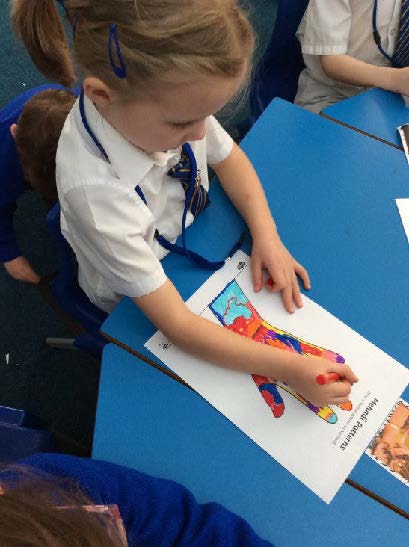
Today in Year 5, we explored the importance of Diwali and how it is celebrated around the world. We began by locating different countries on a world map where Diwali is celebrated. Then, we used our research and understanding to write a newspaper article describing a Diwali celebration in another part of the world. To finish our day, we designed our own henna art patterns, inspired by traditional Diwali designs.


Year 6
During our SMSC day to celebrate the festival of Diwali we learnt about the story of Rama and Sita and how they defeated the evil Ravana to make their way back from exile. The themes of this festival are good triumphing over evil, light over darkness. We also learnt how Diwali is also based on the Lakshmi (God of wealth) and the many traditions that Hindus partake in during the festival including—cleaning the house, dressing in nice clothes, exchanging presents, eating delicious food, lighting candles and having firework displays. With everything that we learnt about we created a persuasive leaflet on how people in the local community could help Hindus celebrate this important festival. In the afternoon, we made some Diya lamps using card, coloured pens and pencils and tea lights. These would be seen around the houses and Mandirs during Diwali.


Remembrance - 11th November
Nursery
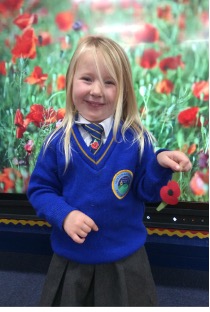
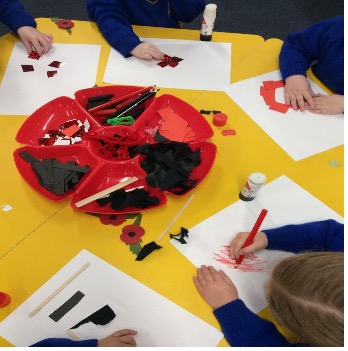
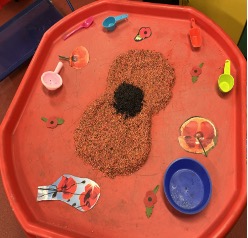
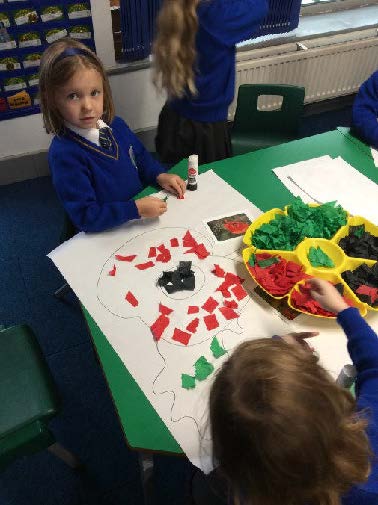
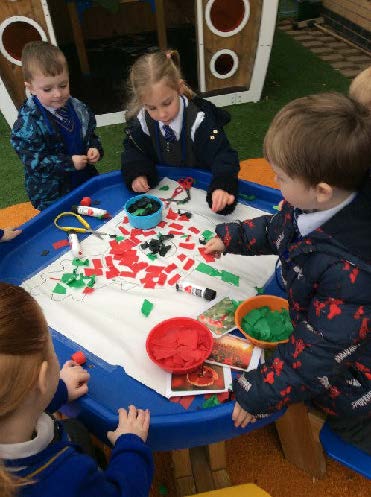
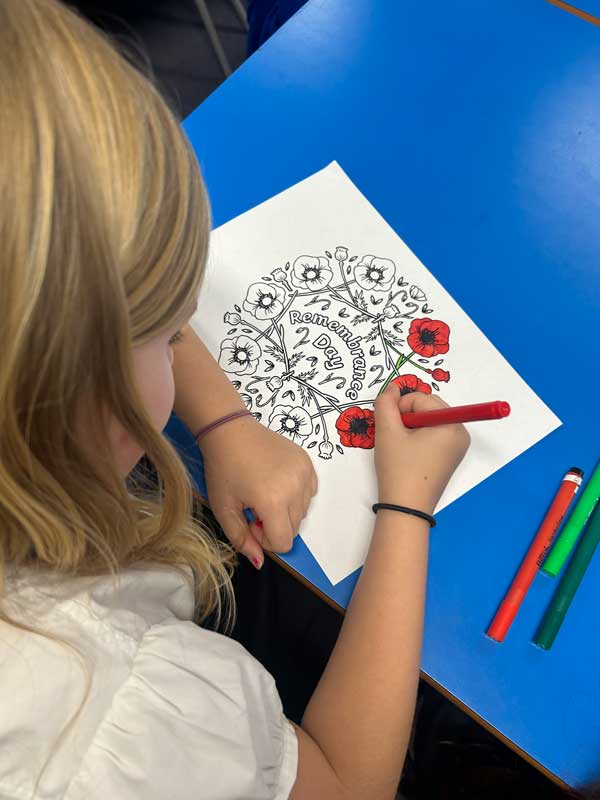
Today, our nursery children took part in special activities to mark Remembrance Day, focusing on the themes of peace, kindness, and togetherness. We talked about how Remembrance Day helps us think about the people who helped to keep us safe, and how we can show kindness and care for others every day. The children enjoyed creating beautiful handprint doves, using their hands to form the wings of this universal symbol of peace. We also made a collage of red poppies, working together to layer tissue paper and different materials to create a bright, meaningful display.To engage their senses, the children explored a poppy rice sensory tray, filled with red and black rice, poppy shapes, and small tools for scooping and pouring. This calming activity encouraged conversations about meaning of the poppy as a symbol of remembrance.
Reception
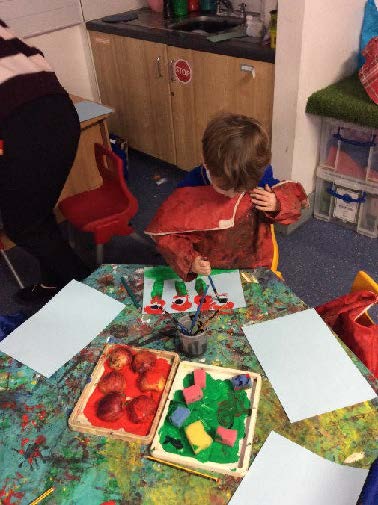
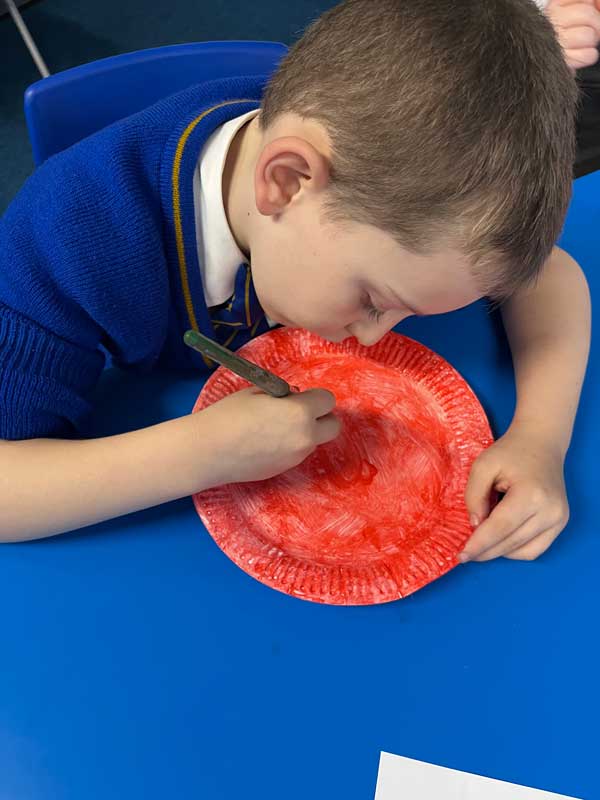
Today we looked at why we have Remembrance Day. We focused on‘peace’ and how peace feels to us. We used soft and warm materials to express how it made us feel creating peace doves. We used apples and sponges to print with red and green paint to create a poppy field and we collaged our own poppy using paper tissue. At 11 o’clock we paid our respects with a two minute silence as a school.
Year 1
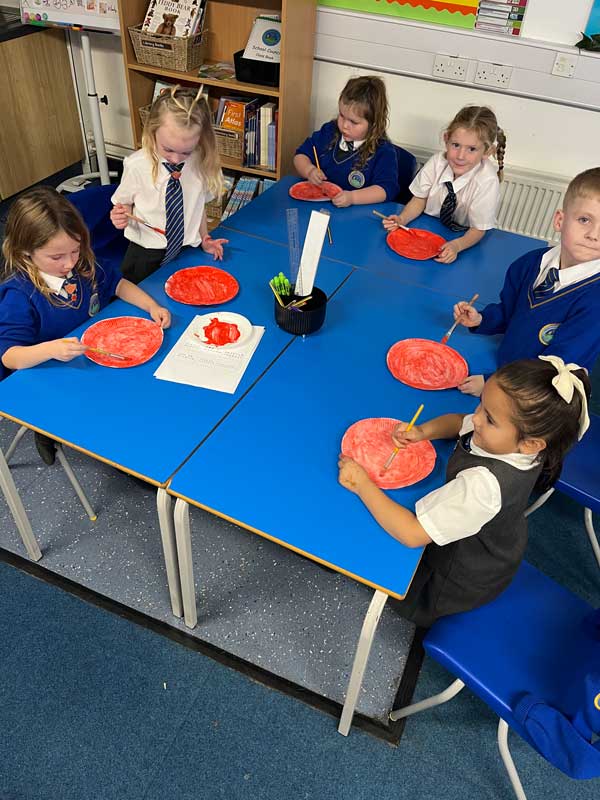
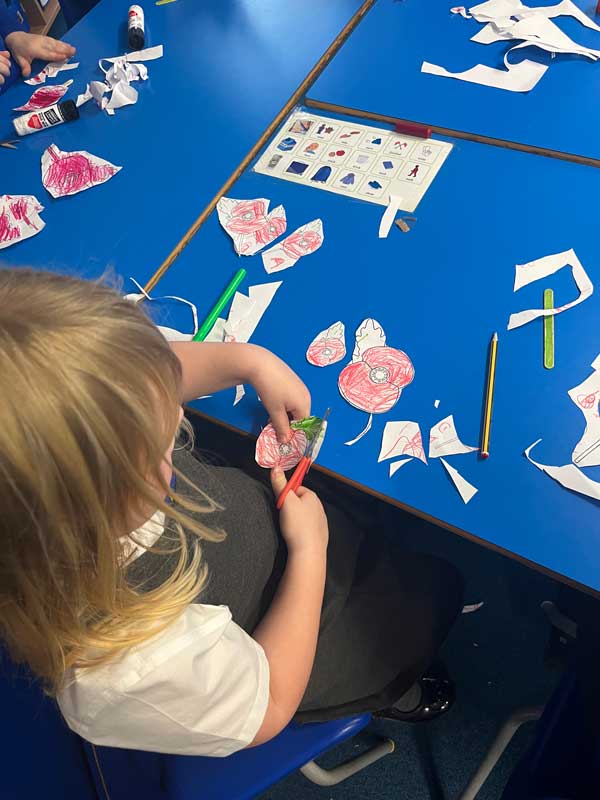
Today, the children have been learning about Remembrance Day. We introduced the idea that it is a special day to remember those who fought for our country and hold a minutes silence to show respect. The children wrote a piece of descriptive writing based on ‘The Sound of Silence’ and had a go at creating their own poppy whilst listening to a marching band.
Year 2
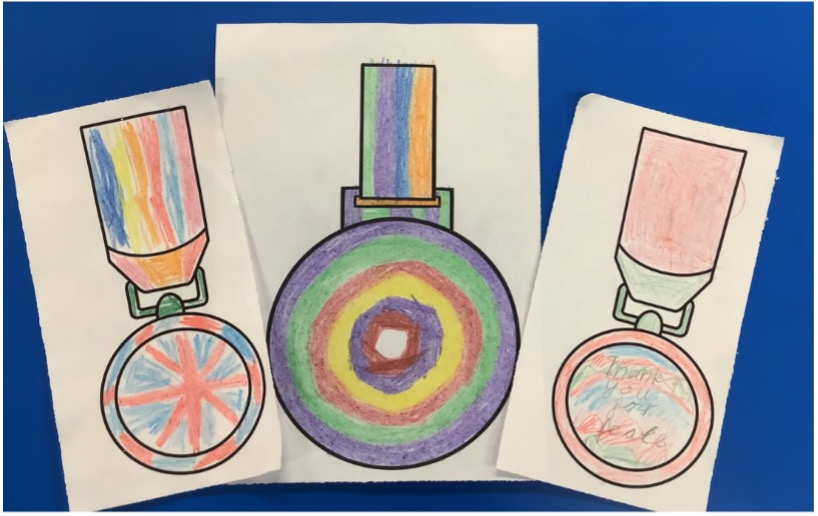
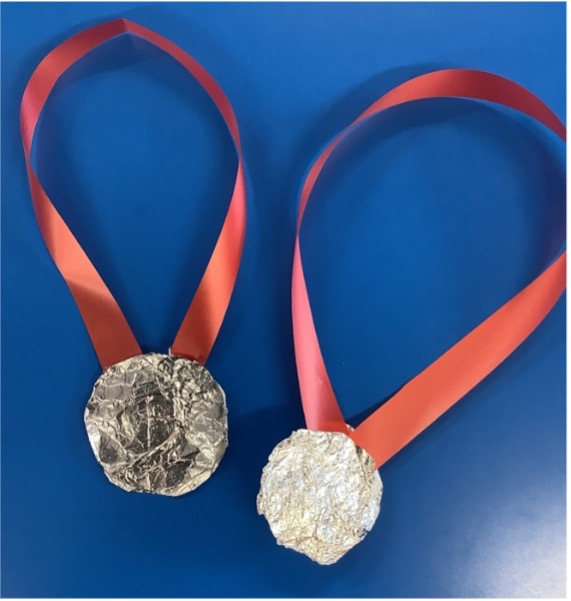
Year 2 spent the morning learning about the heroes who sacrificed their lives in the war for this country. We then explored and read a range of poems linked to this day and wrote our very own acrostic poem. In the afternoon, we created medals using a range of materials.

Year 3
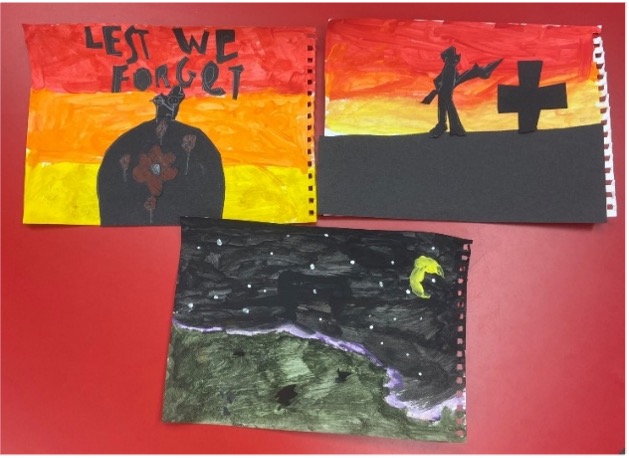
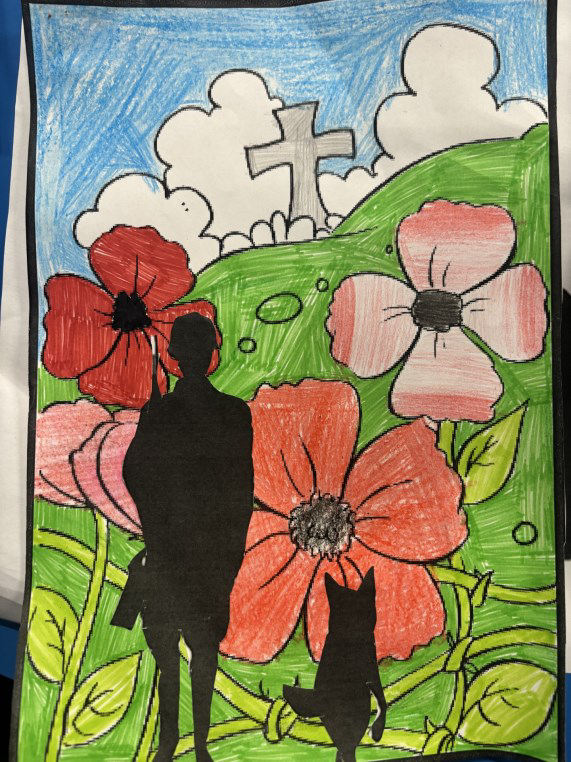
In Year 3, we discussed the origin of Remembrance Day and the symbolism of the Poppy. We then created a postcard written from the perspective of a soldier. Then, we created silhouette art to represent and remember the all of those who gave their lives for our freedom.

Year 4
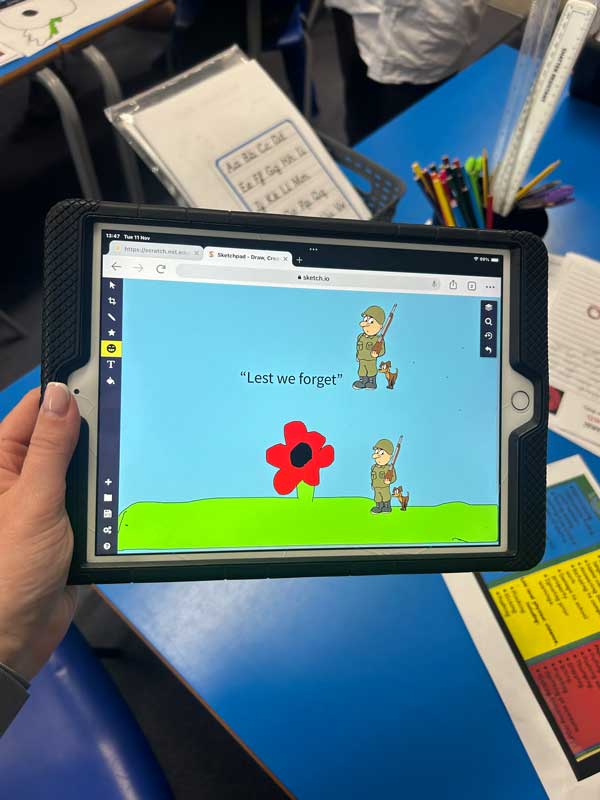
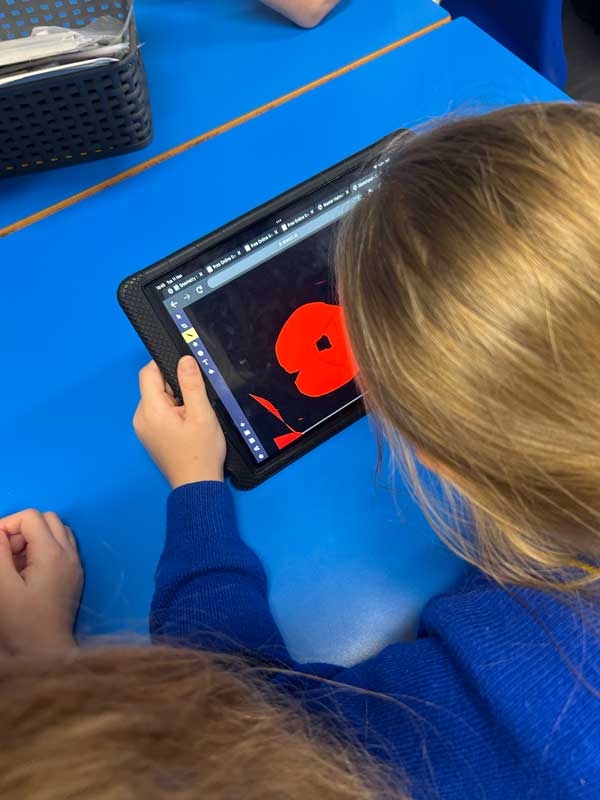
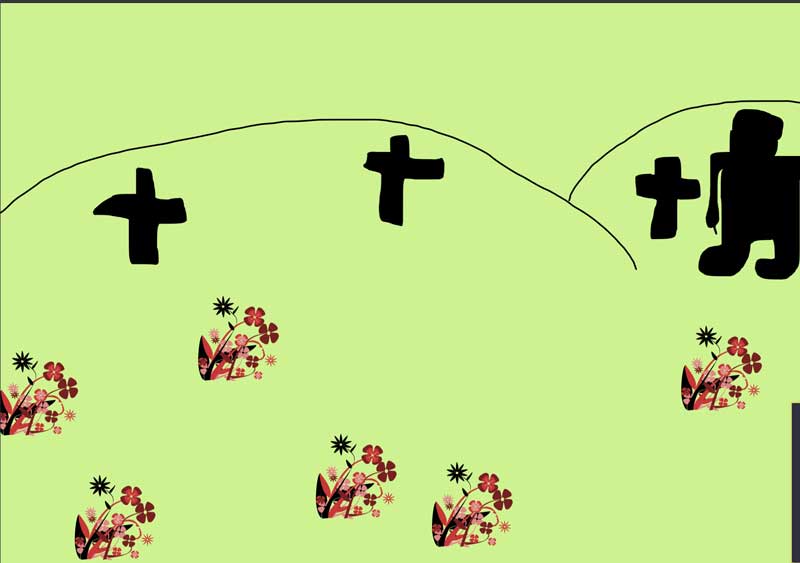
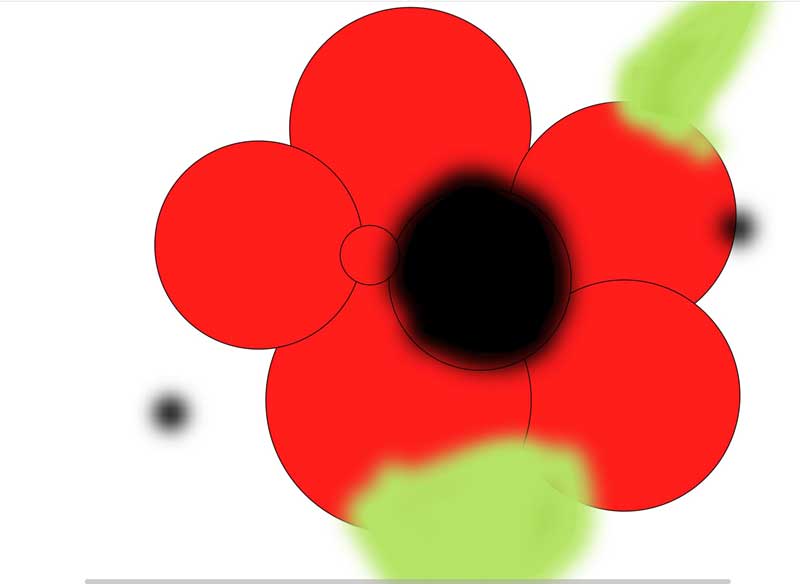
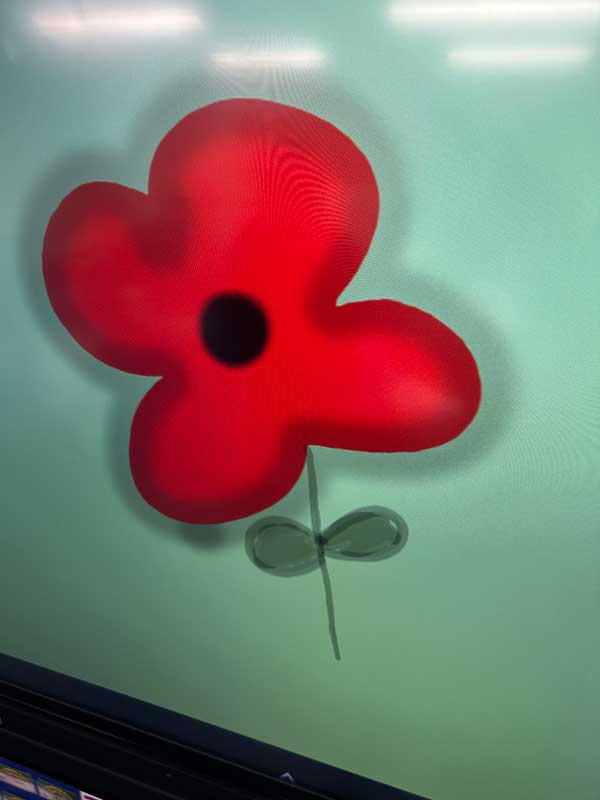
Today, I have learnt all about the importance of Remembrance Day and why we celebrate it. We have discussed the sacrifices that others have gone through to allow us to live the lives we do today. Then, we worked collaboratively to create a video diary saying thank you to those that gave it all to support us and keep us safe. Then later on we created digital art of different scenery like Flanders fields, the Cenotaph and war memorials.


Year 5
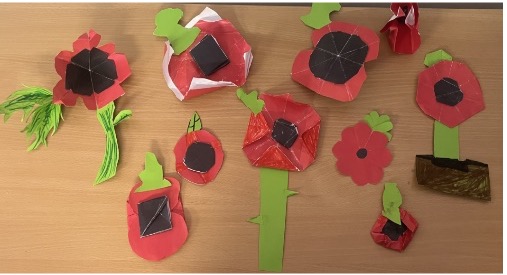
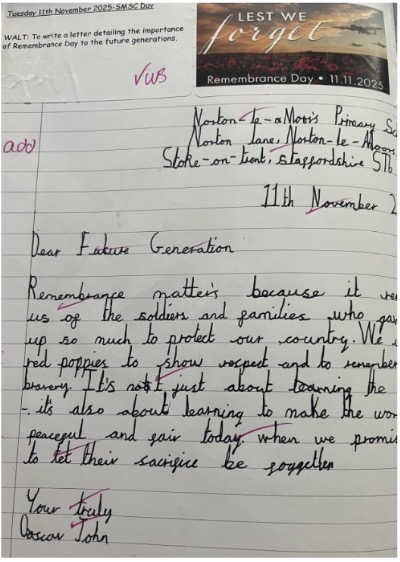
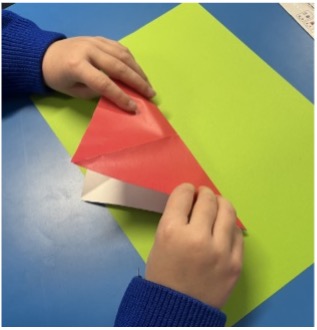
Year 5 have been learning about the importance of Remembrance Day. The children wrote heartfelt letters to future generations, reflecting on why it’s important to remember those who sacrificed so much for our freedom. They also created beautiful origami poppies to accompany their letters, symbolising peace, respect, and remembrance.
Year 6
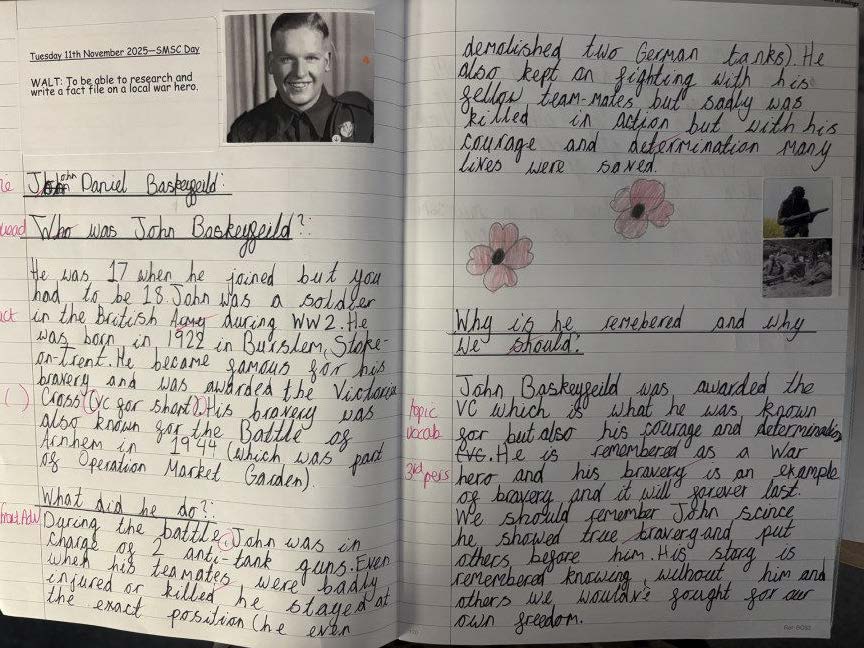
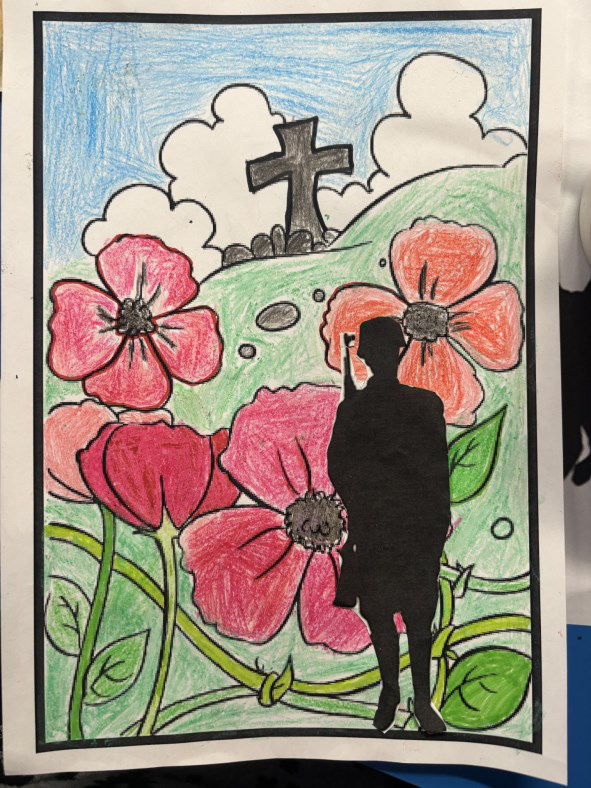
Today, we learnt about the importance of Remembrance Day and why people across the country wear poppies to honour those who served in wars. In the morning, we researched and created fact files about local war heroes, learning about their bravery and sacrifices during wartime. We discussed what courage and remembrance mean to us and how these values are shown today. In the afternoon, we expressed our learning through artwork inspired by poppies and Flanders Field. Using colour, texture, and symbolism, we created thoughtful pieces that reflect remembrance and respect for those who gave their lives for our freedom.
Shrove Tuesday - 17th February
Nursery
The children in Nursery had a fun day full of hands-on learning about Shrove Tuesday, celebrating the tradition of pancakes while developing key skills.
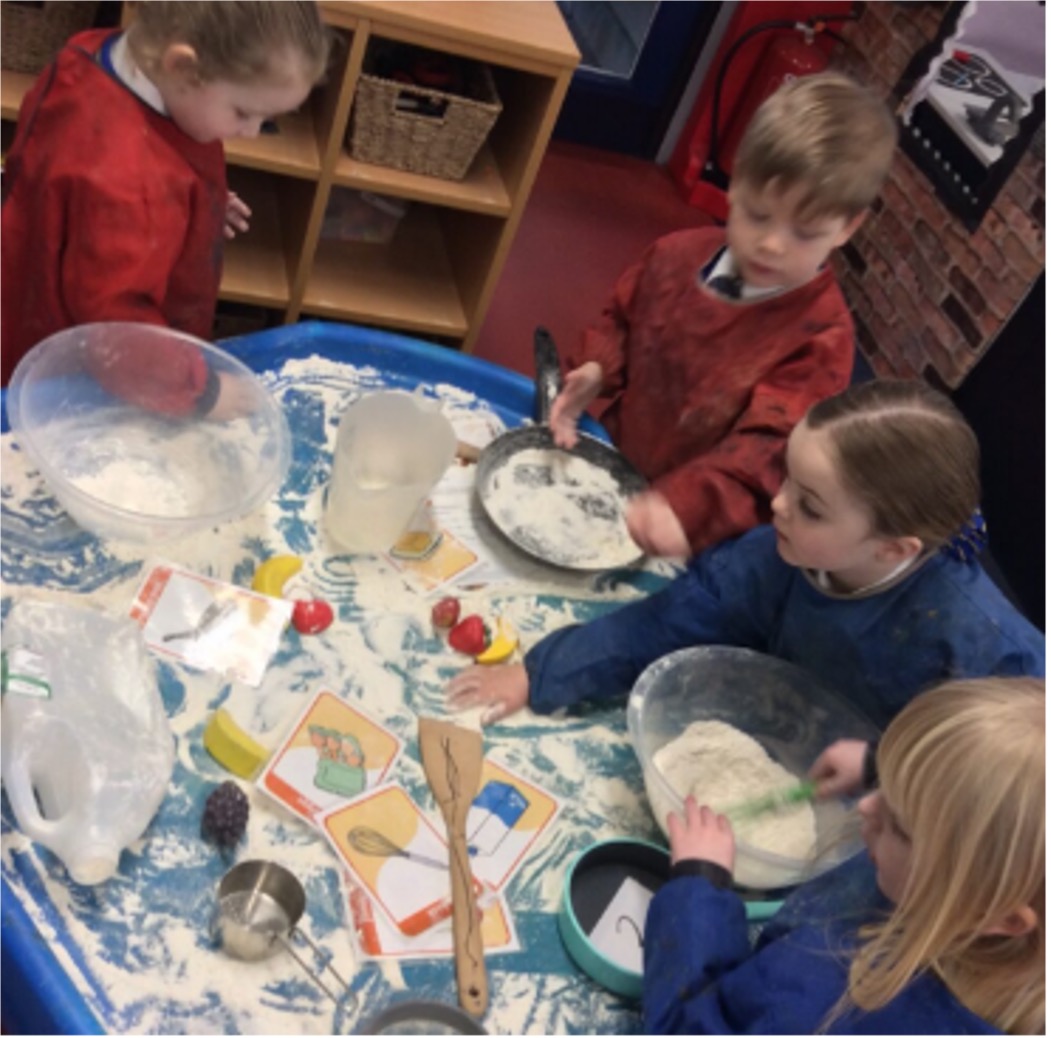
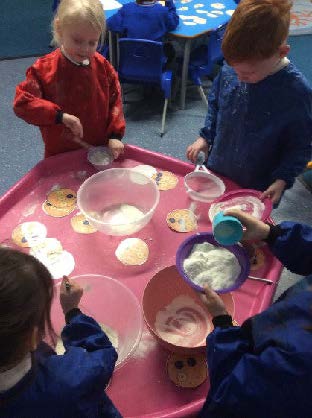
Children engaged in sensory exploration with flour, on a pancake themed tuff tray: scooping, pouring and stirring flour- helping to develop fine motor skills. Children helped to mix ingredients to make pancake batter, taking turns and working as a team. They made pancake creations out of playdough and created their own pancake designs using a variety of materials such as coloured paper, glitter, buttons, and fabric.
Children were encouraged to draw their favourite pancake toppings (e.g., fruit, syrup) and identify the initial sounds of the items they drew. Children used slices of fruit (bananas, berries, etc.) to create funny faces on their pancakes. We ended with a lovely circle time discussing the importance of sharing and how being kind helps to build friendships. We had a lovely morning!
Reception
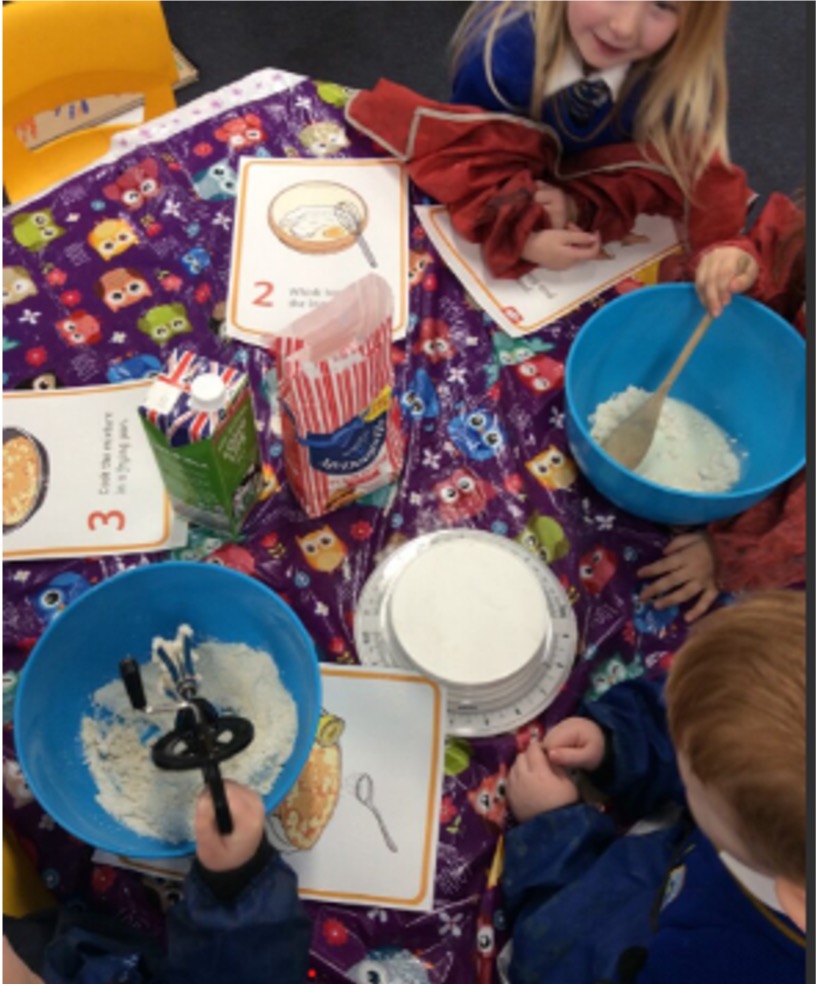
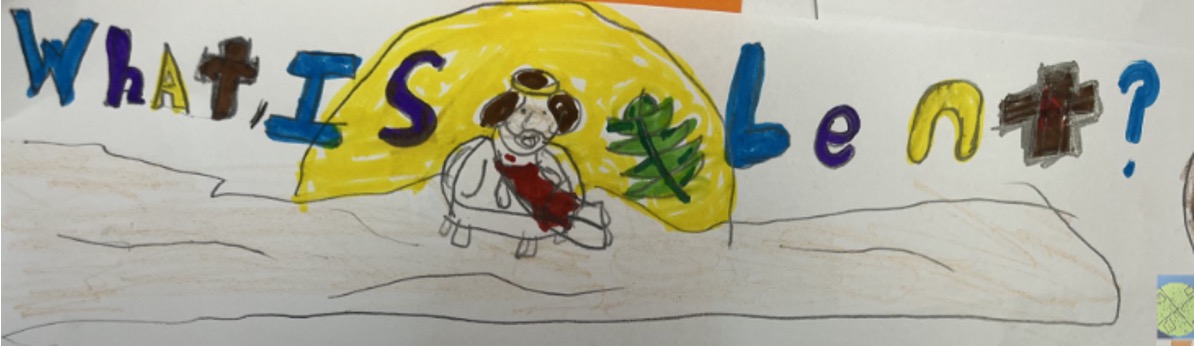
Reception looked at how and why Shrove Tuesday is celebrated. We also looked at what Lent is and thought about what sort of things people would give up for Lent. The children enjoyed mixing the flour and deciding which delicious toppings would be their favourite.

Year 1
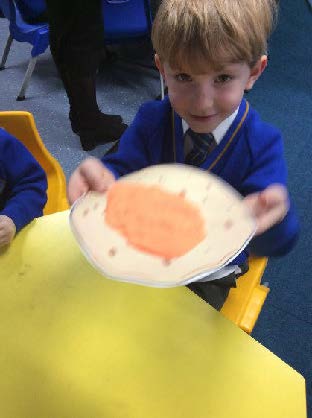
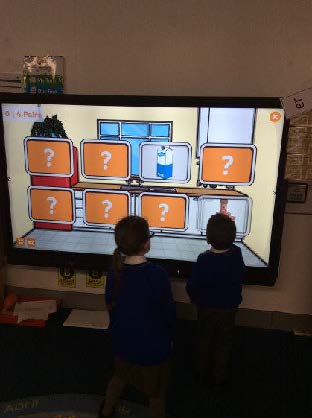
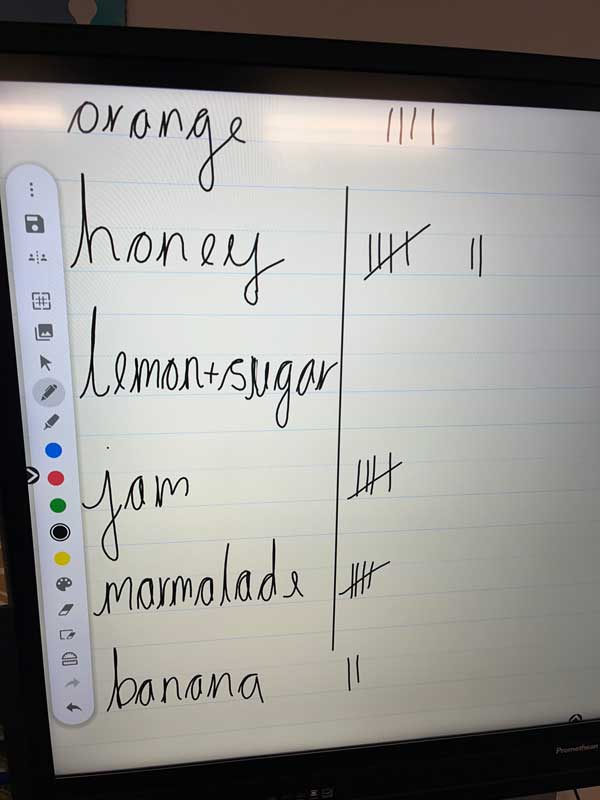
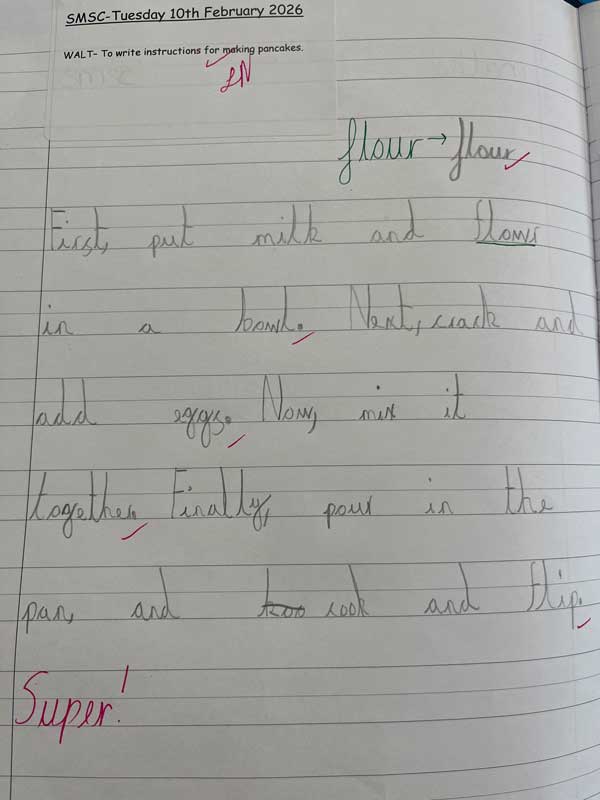
Today, the children have been learning about Shrove Tuesday. We spoke about the history behind the celebration and reasons for making pancakes. We then wrote some instructions for pancake making. We tested our pancake flipping skills and raced against each other. Finally we tasted a range of toppings and voted for our favourite.

Year 2
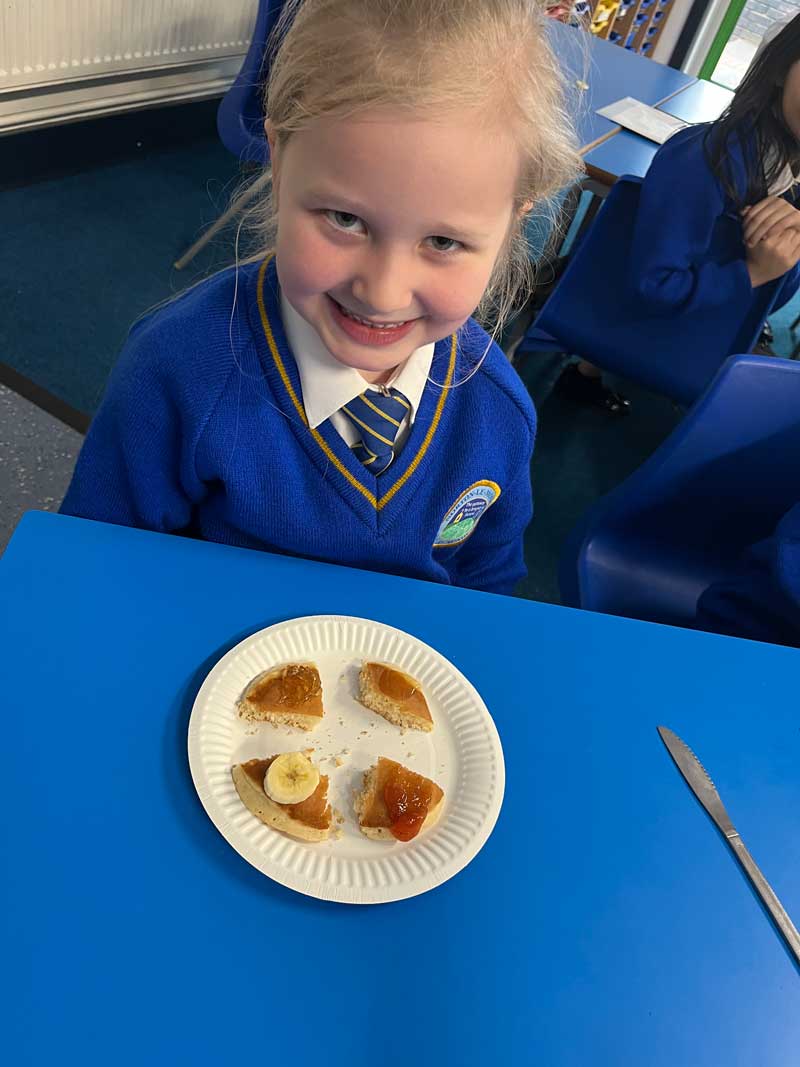
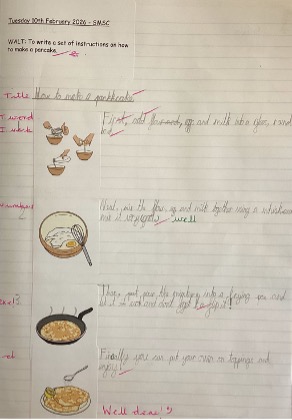
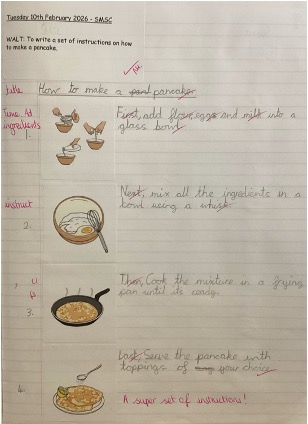
Year 2 spent the morning learning about what Shrove Tuesday is. They then wrote a set of instructions on how to make a pancake. Following this Year 2 decorated a pancake.
Year 3
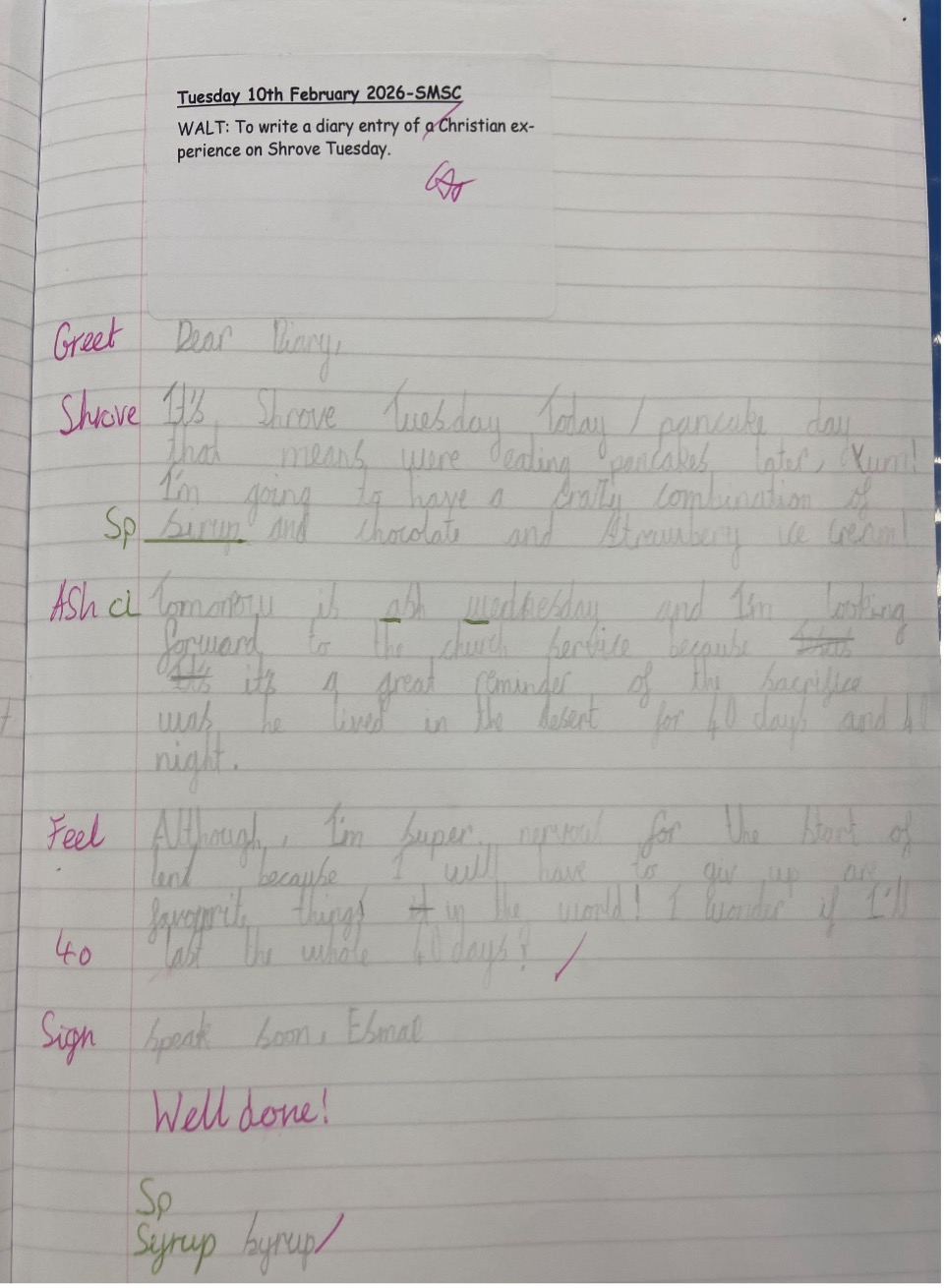
In Year 3 we have been learning all about Shrove Tuesday and Ash Wednesday, and the significance of these days to Christians. As part of our activities, we wrote a diary entry from the perspective of a Christian and designed our perfect pancake.
Year 4
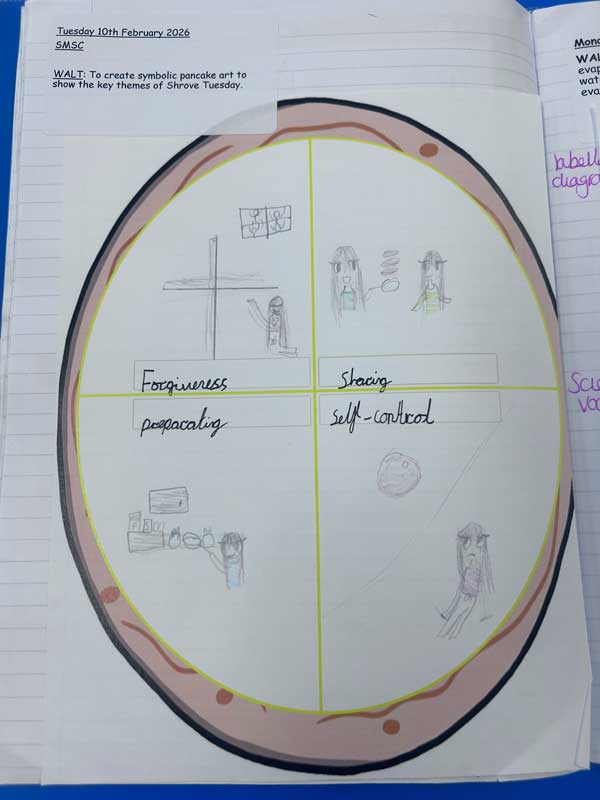
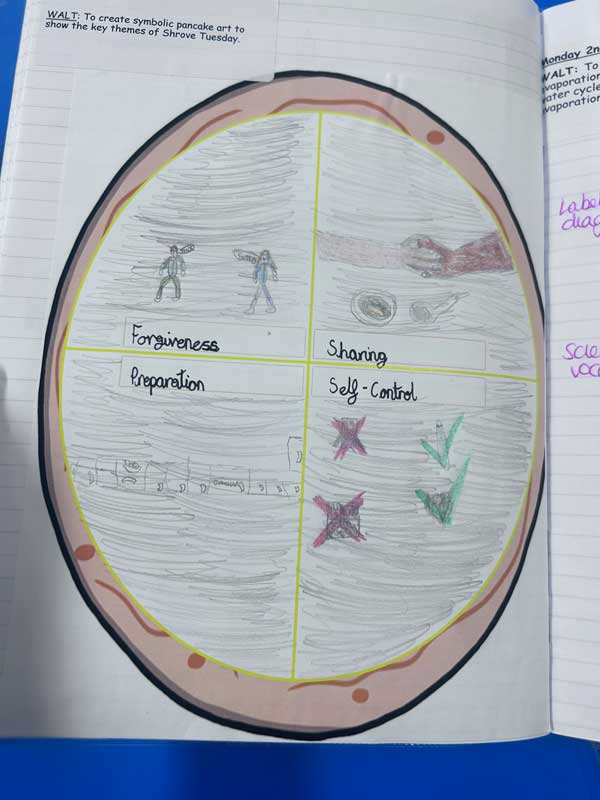
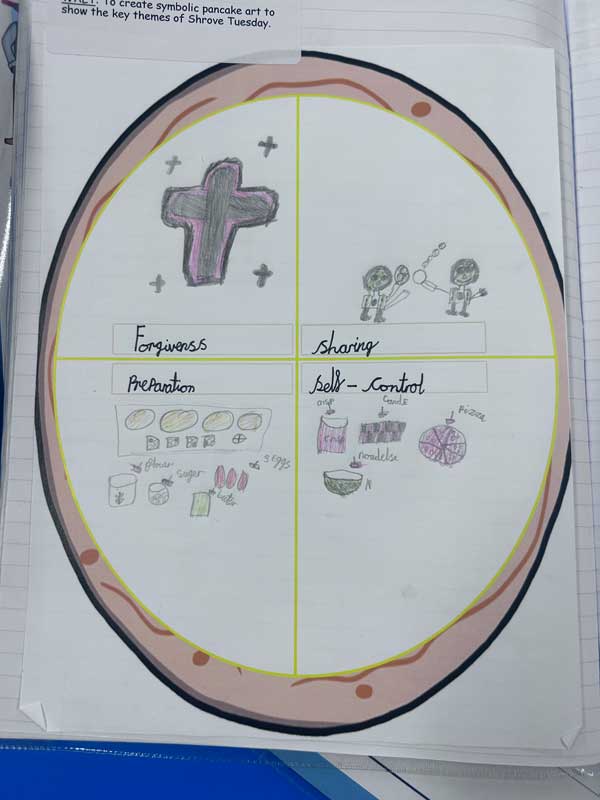
Today, we have creating symbolic art based on the values Christians show during Shrove Tuesday. We looked at the timeline of events from Shrove Tuesday to Easter and also discussed what we would give up Lent.
Year 5
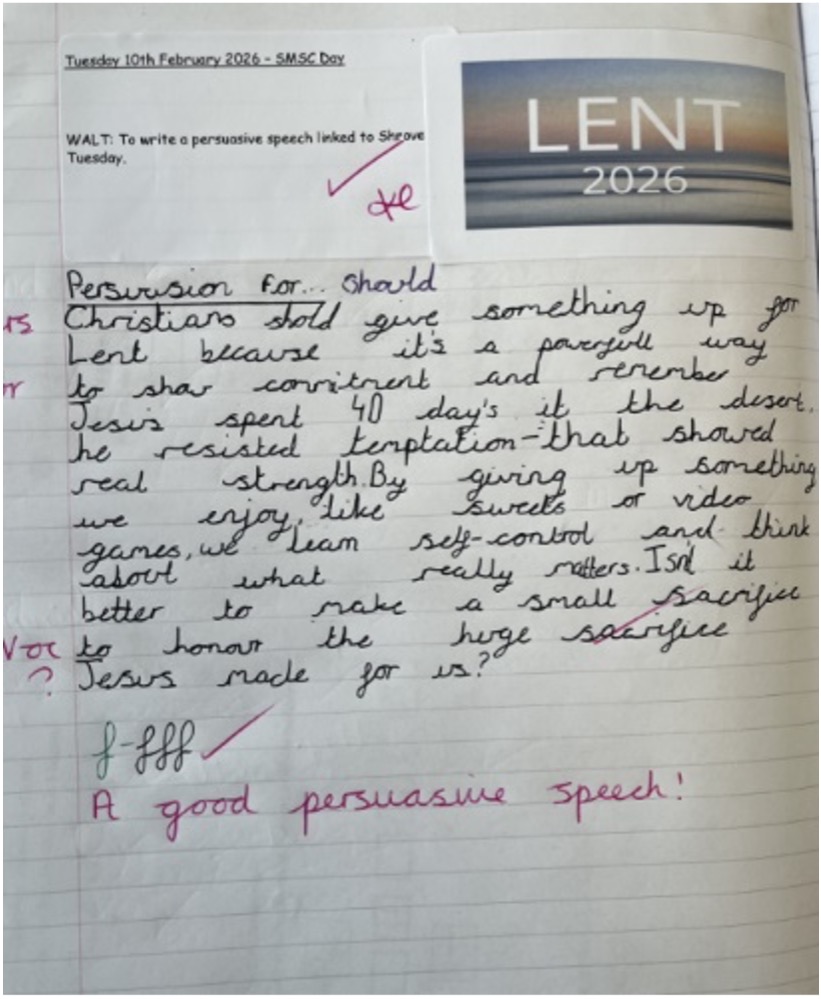
Year 5 have explored the Christian tradition of giving something up for Lent and used this as the basis for writing persuasive speeches.
They began by learning about why Christians choose to give up certain things, such as sweets or screen time, to reflect, show self-discipline, or help others. Then, they planned their speeches by deciding what they would give up and why it was important.
Finally, the children wrote persuasive speeches, using clear reasons, emotive language, and examples to convince others that giving something up for Lent is meaningful. Some even practiced reading their speeches aloud to make their arguments more engaging.

Year 6
As part of our SMSC Day, Year 6 took part in a learning experience based on Shrove Tuesday. Throughout the day, children learned about the meaning behind Shrove Tuesday and its importance in the Christian calendar, particularly its focus on reflection, forgiveness, and preparation for Lent. We explored how Shrove Tuesday is celebrated across the United Kingdom and discussed the cultural traditions associated with this event, including pancake making and sharing time together.
As part of the activities, pupils designed their own pancakes and used this creative task to express their learning. They also wrote personal reflections, identifying changes they would like to make and goals they hope to achieve over the coming year.

Eid al Fitr - 20th March
Nursery
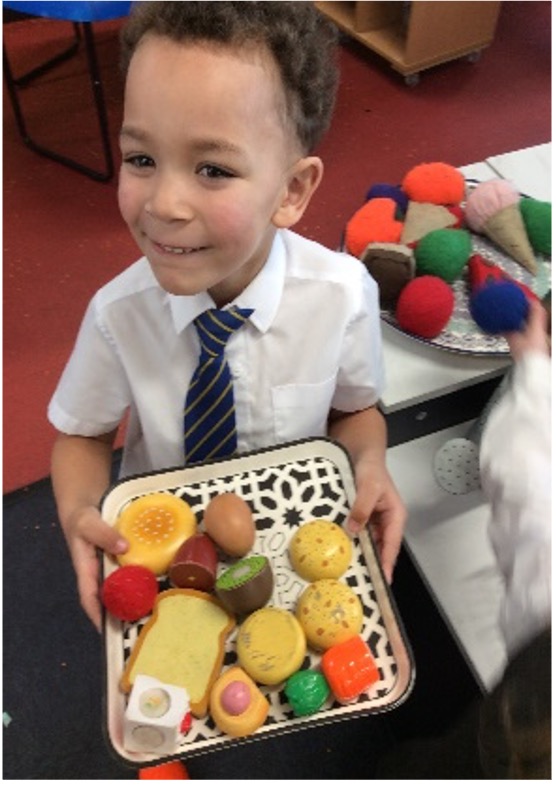
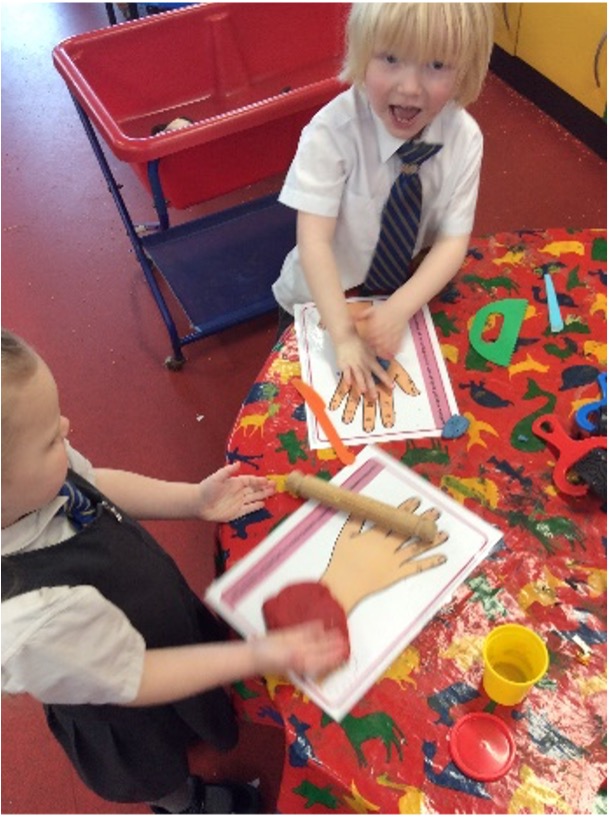
Nursery have spent the afternoon having so much fun learning all about the celebration of Eid. They made paper lanterns to represent light and collaged a star and a moon representing the beginning of the new Islamic month. They created Mehndi hand patterns and enjoyed trying some traditional foods such as pakoras, potato fritters and special jelly! We ended with a circle time discussion about being kind and thankful.

Reception
This afternoon we learnt all about the Muslim celebration of Eid. We got creative using pens and chalk to create our own mehndi patterns. We learnt lots of facts about fasting until the sun sets and how Muslims celebrate. We made our own cards to say ‘Happy Eid’ to anyone celebrating this festival.

Year 1
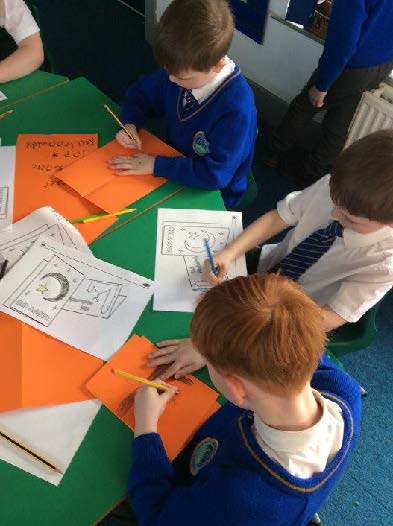
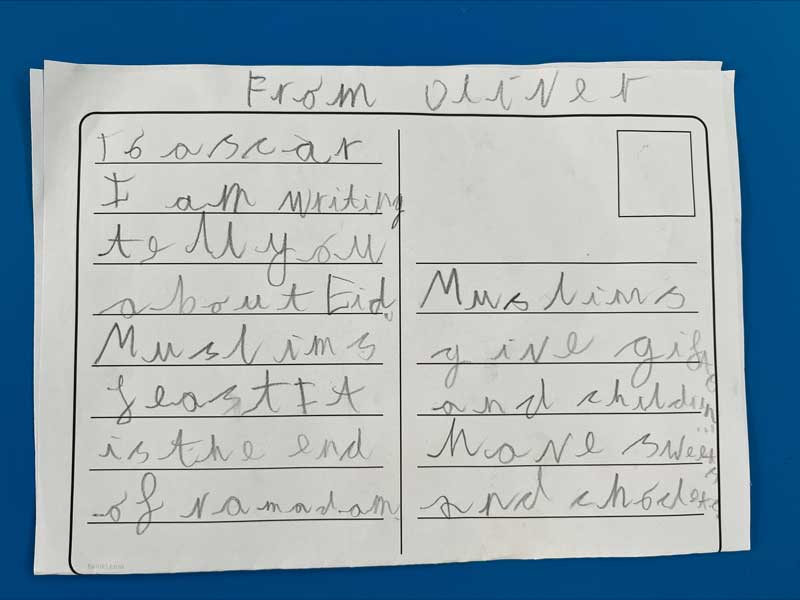
This afternoon, Year 1 have had a fabulous time discussing Eid. The children learnt that Eid was the celebration directly following Ramadan. During Ramadan Muslims fast from sunrise to sunrise. As a family Muslims break their fast together, give gifts, read the Qur'an and pray. As a class we write postcards explaining how Eid is celebrated. Finally, we created our own prayer mats. The children had a lovely afternoon.


Year 2
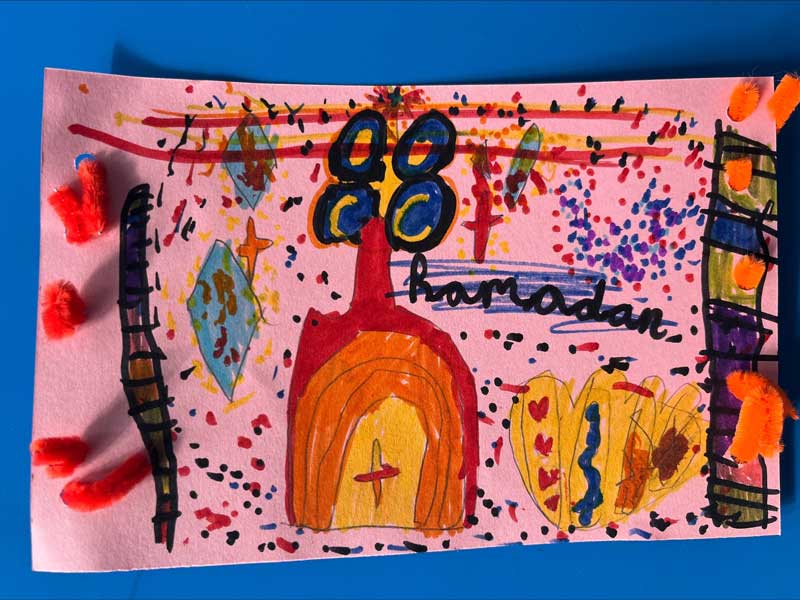
Year 2 had a great time learning about what Eid is and how it’s celebrated. They also explored its link to gratitude.


Year 3
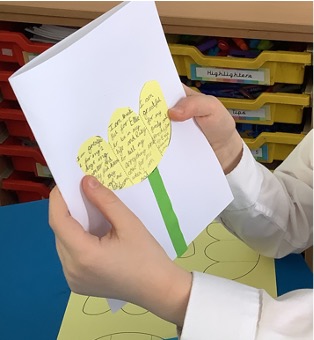
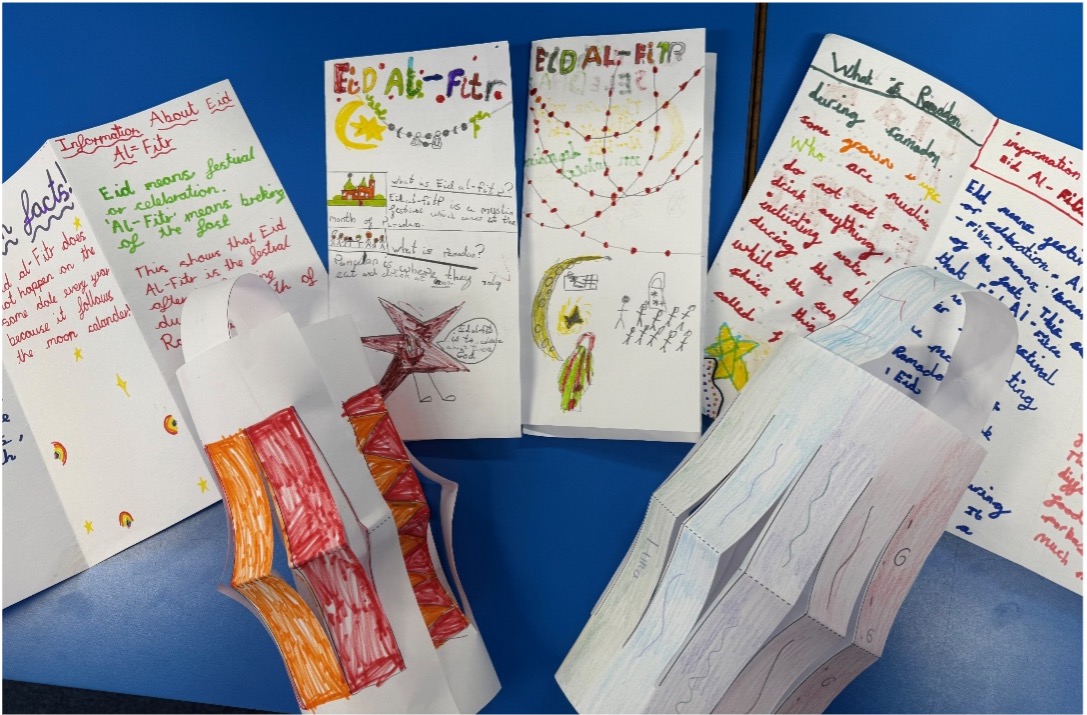
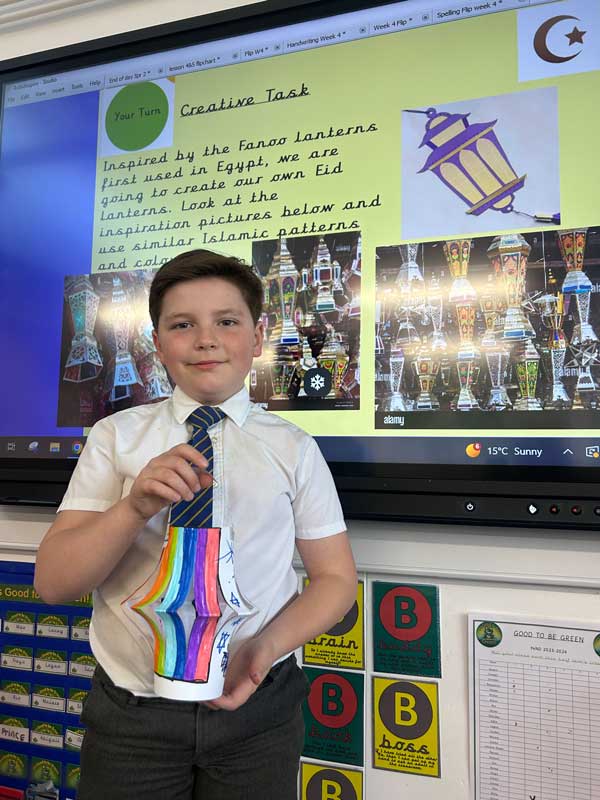
This afternoon, we discovered how Muslims celebrate Eid. Inspired by the Egyptian celebrations, we created lanterns to symbolise hope, unity and light in the darkness. This is because Muslims see Allah as a guiding light and a representation of the good in the world. We also created information leaflets representing Eid.
Year 4
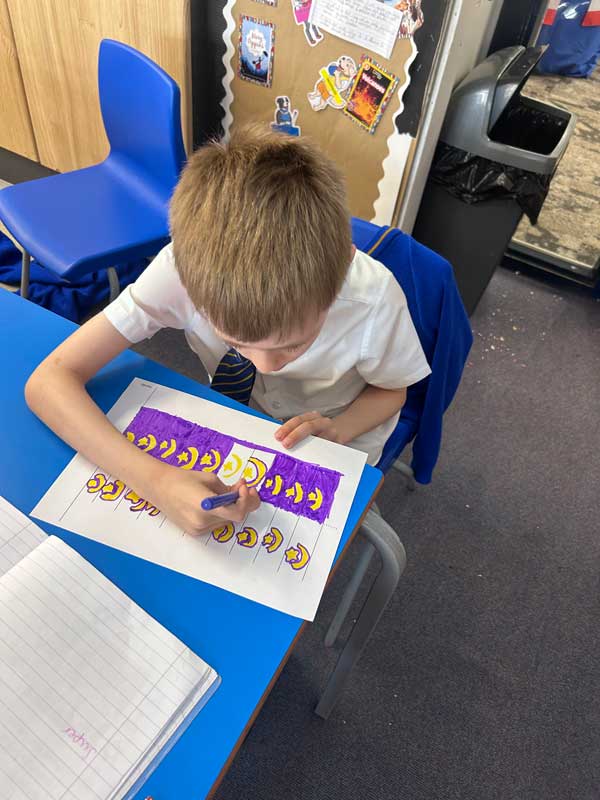
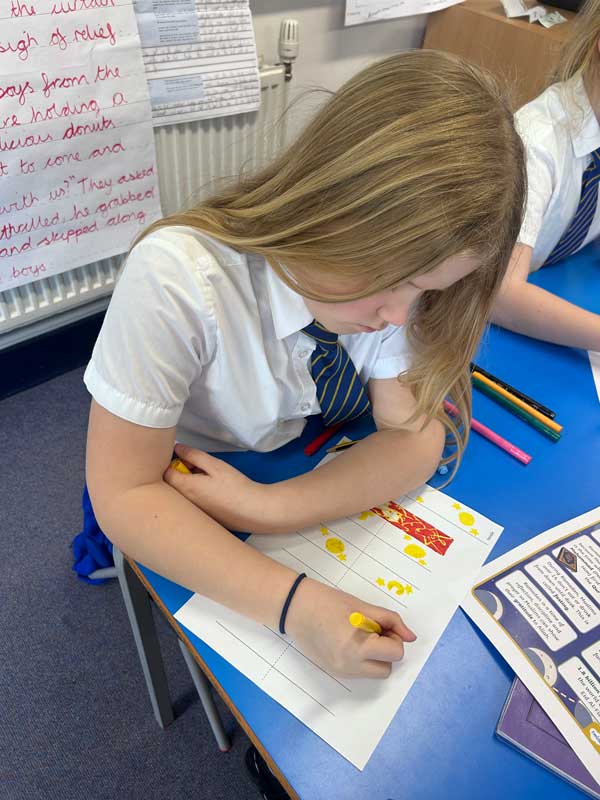
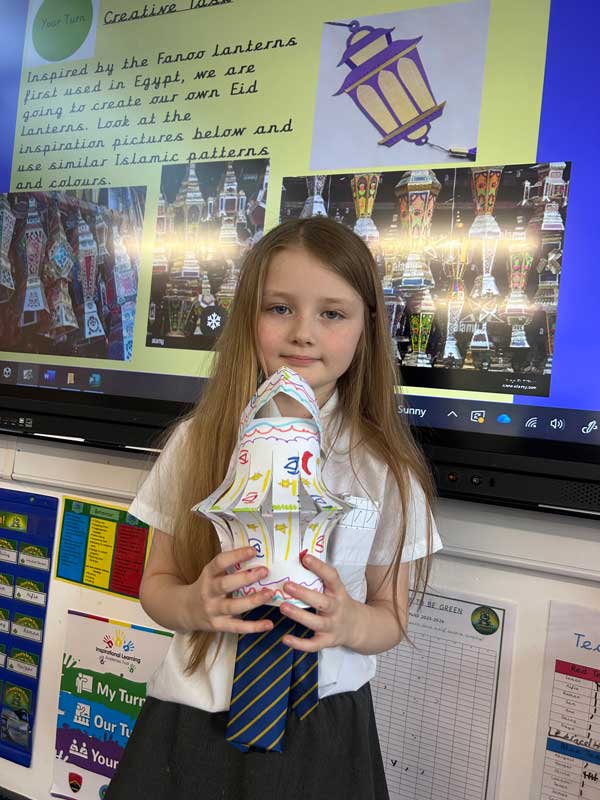
This afternoon, we discovered how Muslims celebrate Eid. Inspired by the Egyptian celebrations, we created lanterns to symbolise hope, unity and light in the darkness. This is because Muslims see Allah as a guiding light and a representation of the good in the world.


Year 5
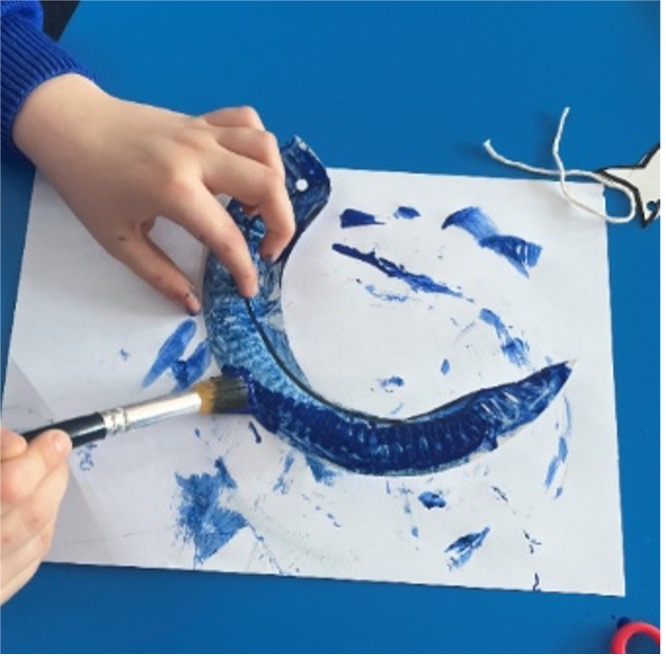
Today during SMSC Day, Year 5 learned about Eid al-Fitr, discussing its importance and how it is celebrated. Pupils explored the symbolism of the moon and stars and what these represent in Islam. Children then created their own moon and star decorations and wrote a diary entry from the perspective of someone celebrating Eid. The day promoted respect, understanding and appreciation of different cultures and beliefs.


Year 6
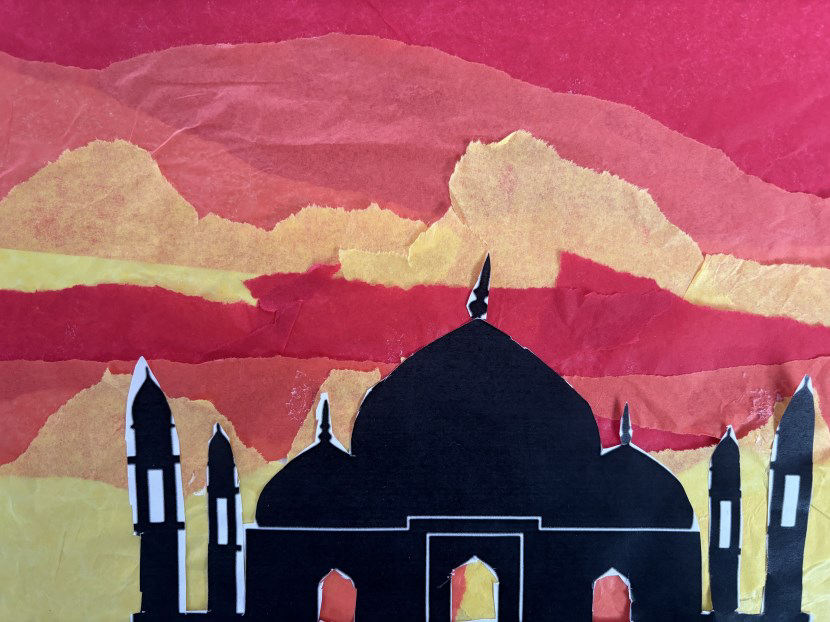
Today, we have been learning about Eid and its importance to Muslims around the world. We learned that Eid is celebrated after a month of fasting during Ramadan, which is one of the Five Pillars of Islam. During this time, Muslims aim to visit the mosque as often as possible to feel closer to God. In Year 6, we created silhouettes of mosques set against sunset backgrounds, using a range of materials to produce thoughtful and creative pieces of artwork.

St George's Day - 23rd April
Nursery
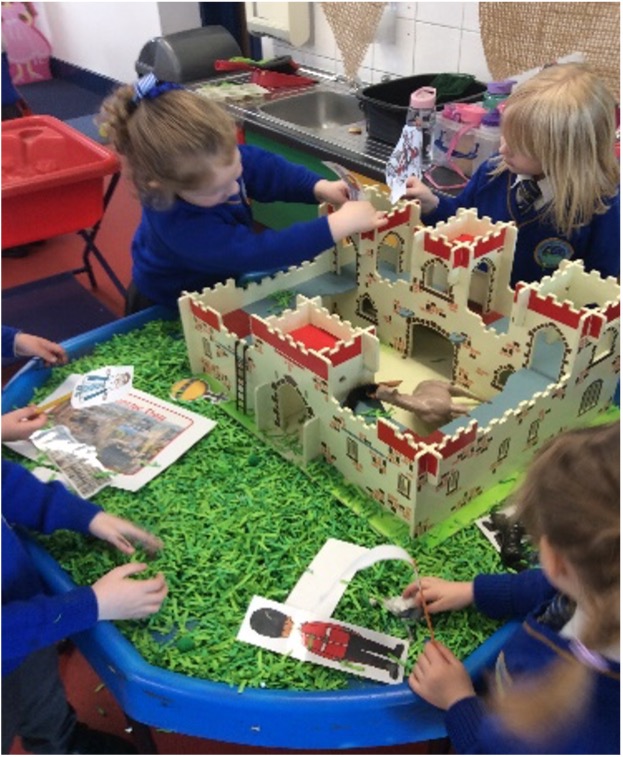
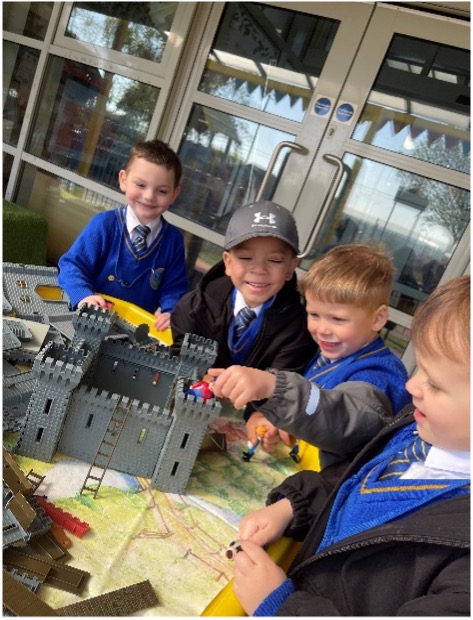
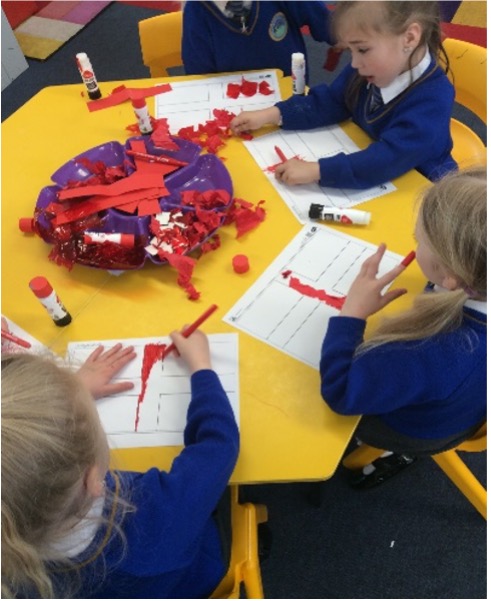
Nursery children took part in a range of engaging activities to celebrate St George’s Day. We used stories and discussion to help children understand that it is a celebration of England and its heritage. Children decorated their own St George’s flags using a range of materials. In the role play area children explored castles, knights, and dragons and acted out the story together. Using play dough, children created their own castles, they also made simple stick puppets of knights, dragons, or St George, which they used to retell the story. Finally, in the outside area, children worked together to construct a castle - we had so much fun!
Reception
Today we learnt all about St.George and story of the dragon. We created crafts including our own shields, knights and dragons. In the afternoon we looked at how it is celebrated and had a go at performing our own Morris dancing. It was such a fun day!


Year 1
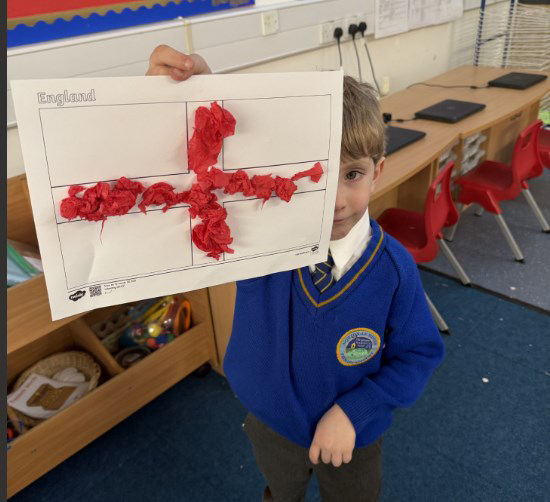
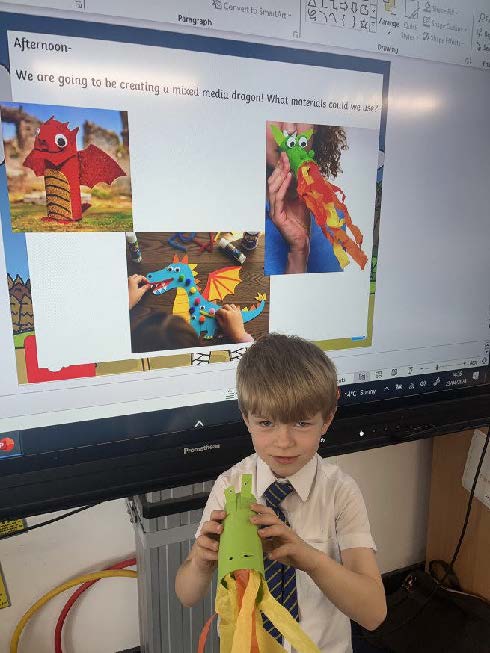
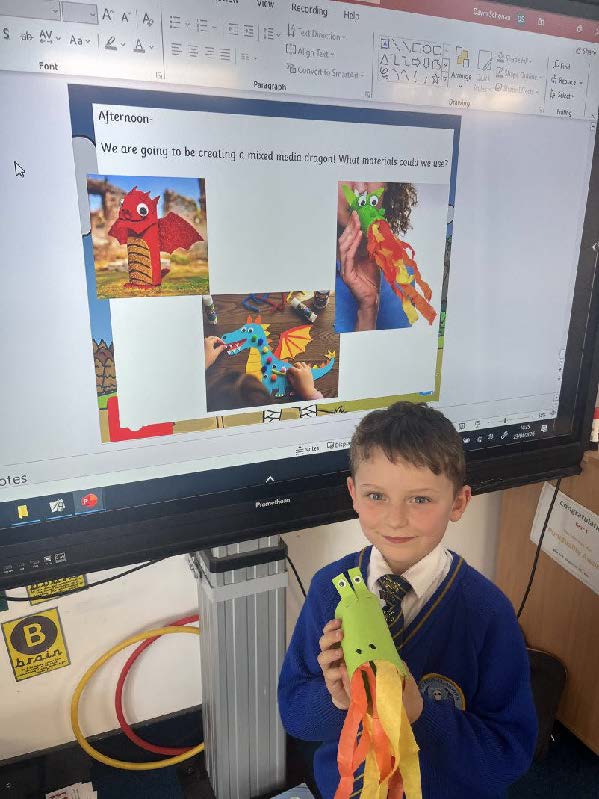
Today, Year 1 have learnt all about St Georges day. We have read and acted out the story, learning that George slayed a dragon to save the princess. We then used adjectives to describe the dragon writing a character description. He was a dangerous, defeated dragon. We discovered that the English flag is designed using St George's red cross. Finally, in the afternoon we created our very own fire breathing dragon.

Year 2
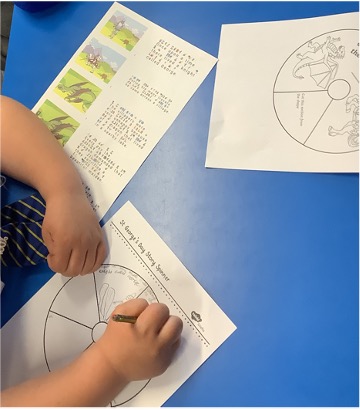
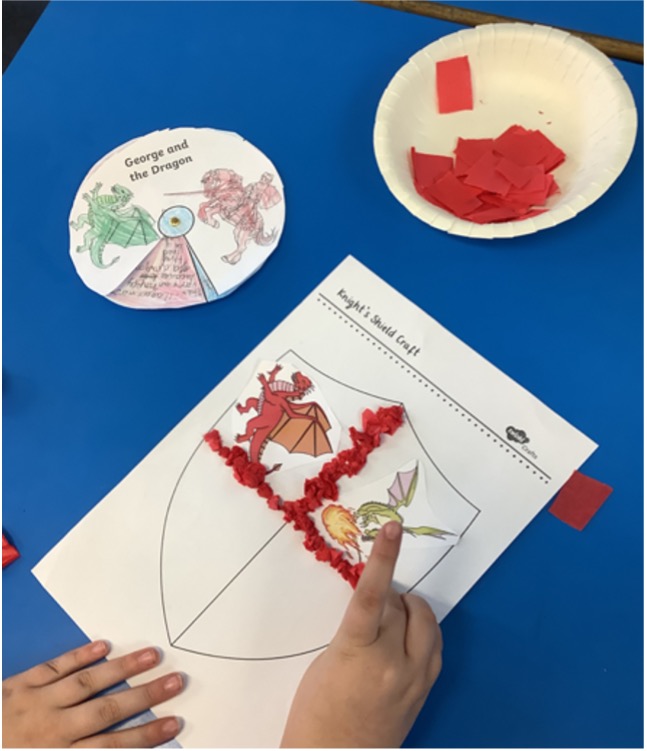
Year 2 had a fabulous time understanding the importance of this day. We first read and sequenced the legend about St. George and the Dragon. We then designed a shield with symbols to represent ourselves.
Year 3
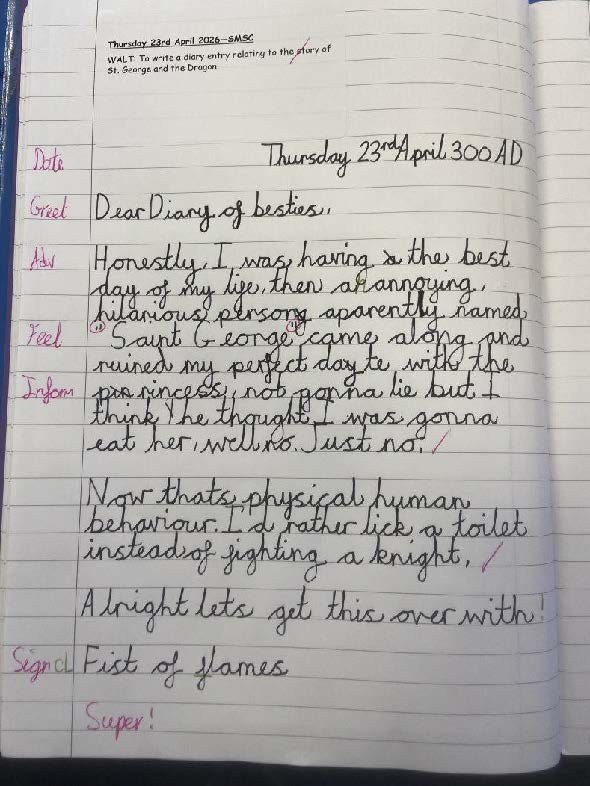
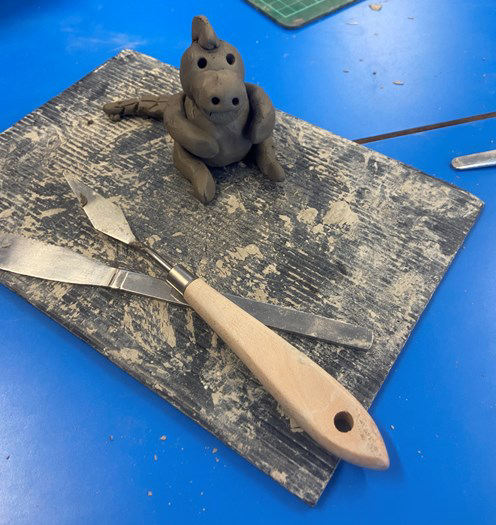
In Year 3, we spent the morning learning all about Saint George, including how he is the patron saint in different countries such as England, Malta and Romania. We wrote a diary entry from both George’s and the Dragon’s perspective, and made our own dragons using clay.
Year 4
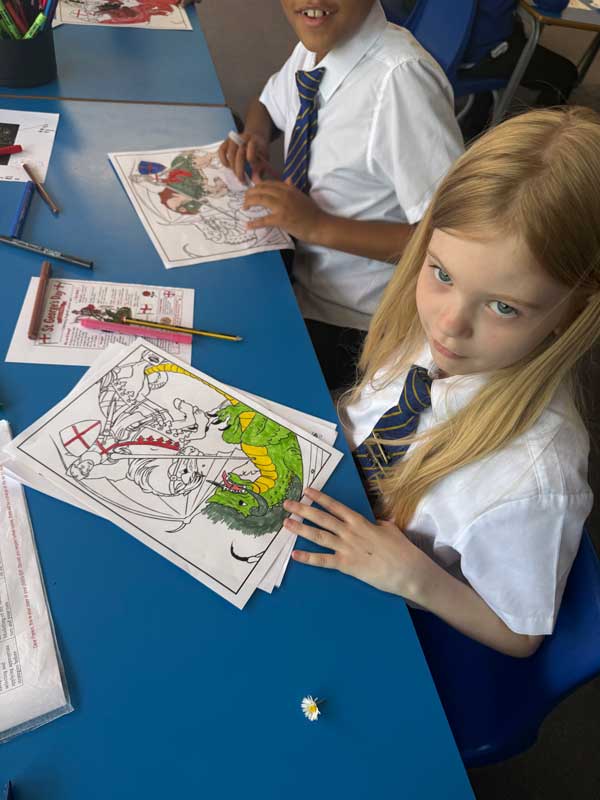
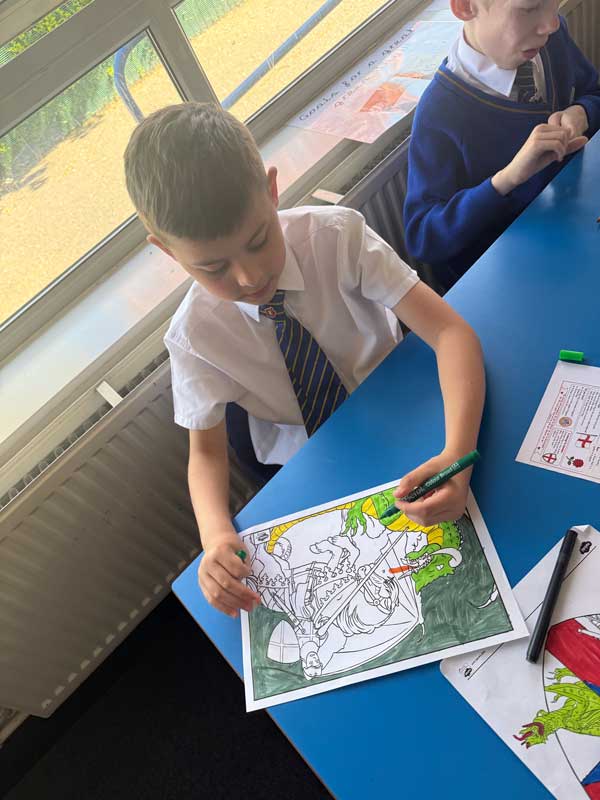
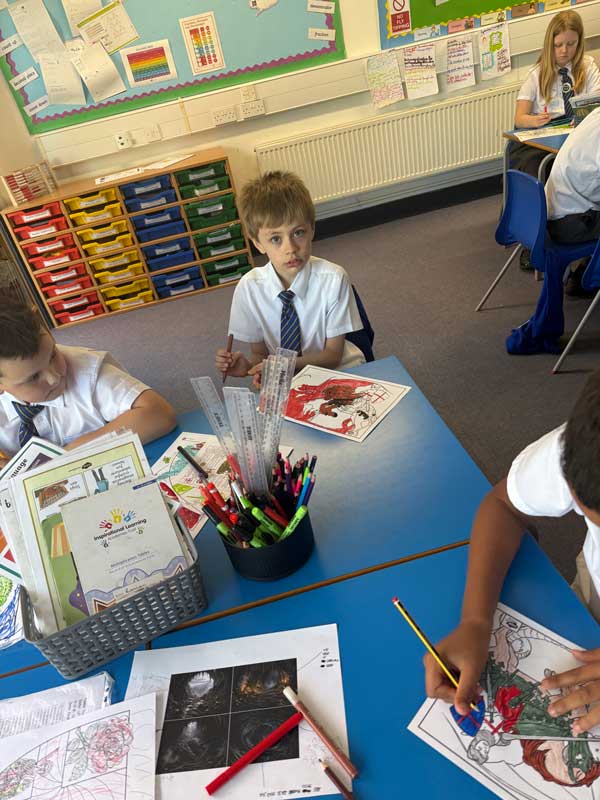
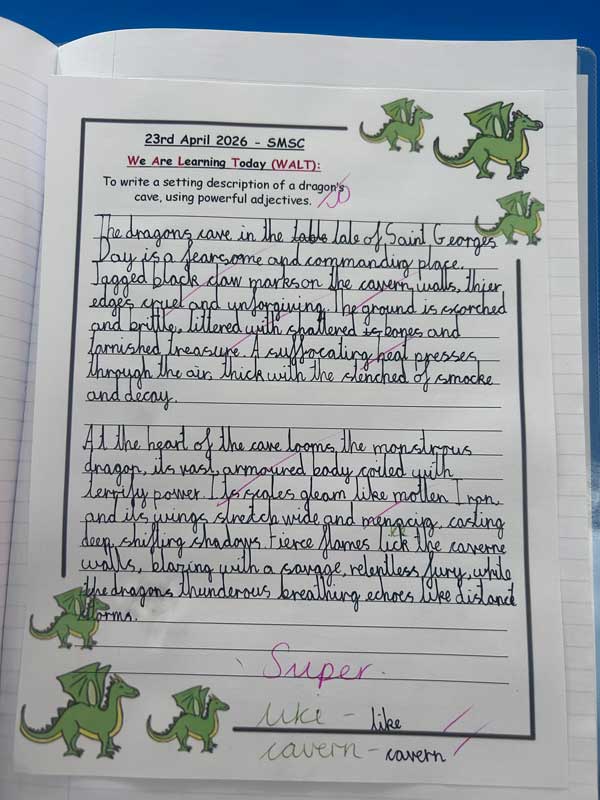
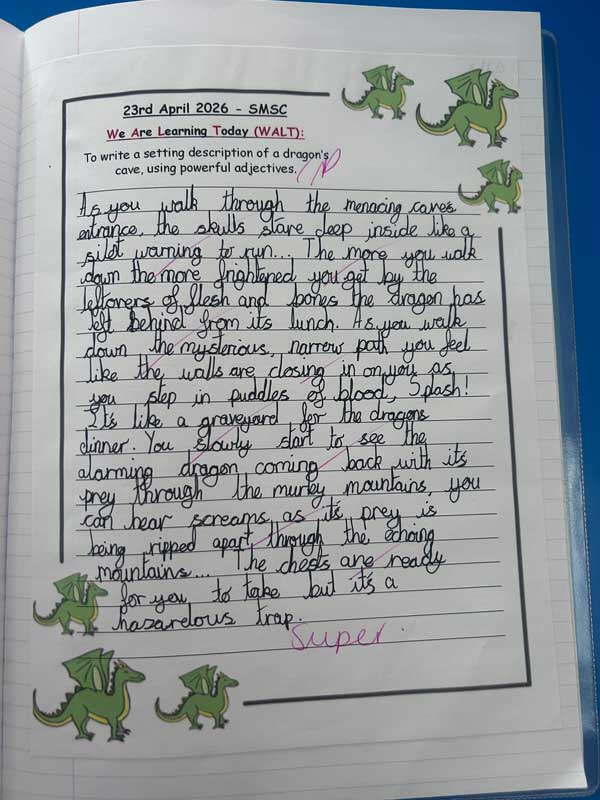
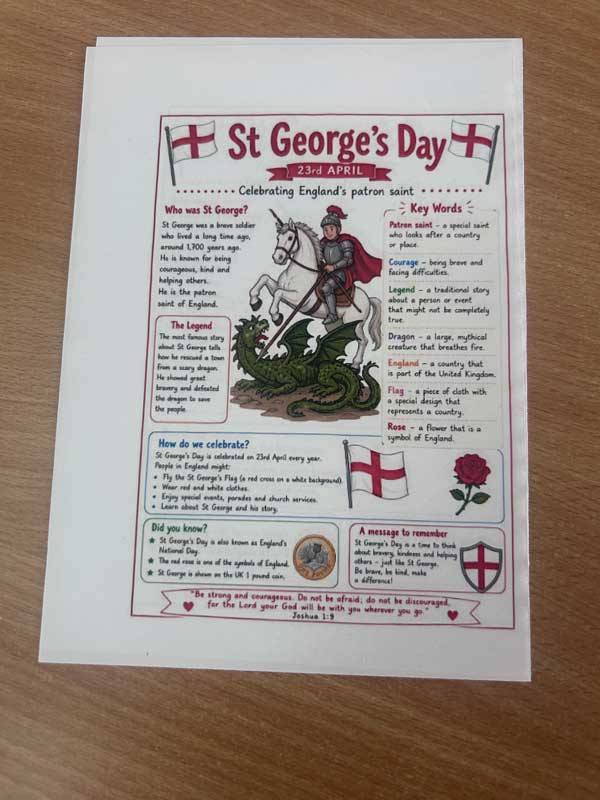
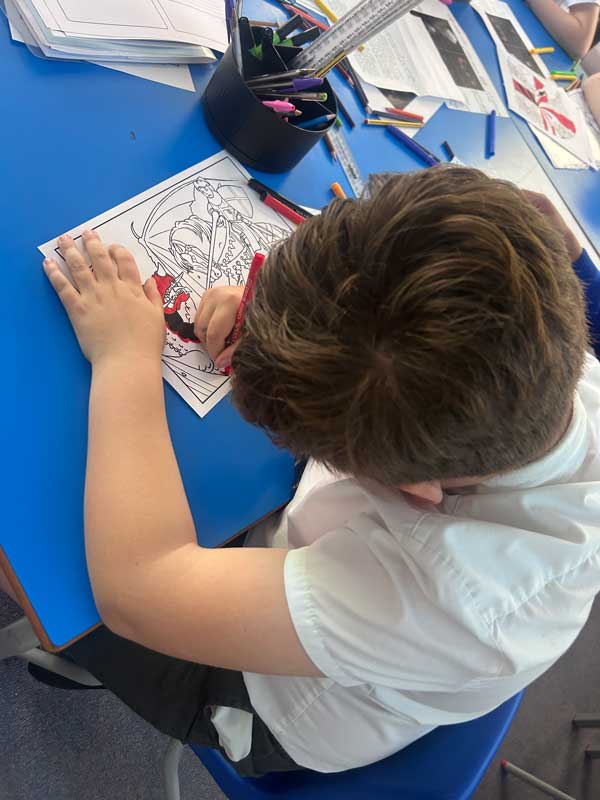
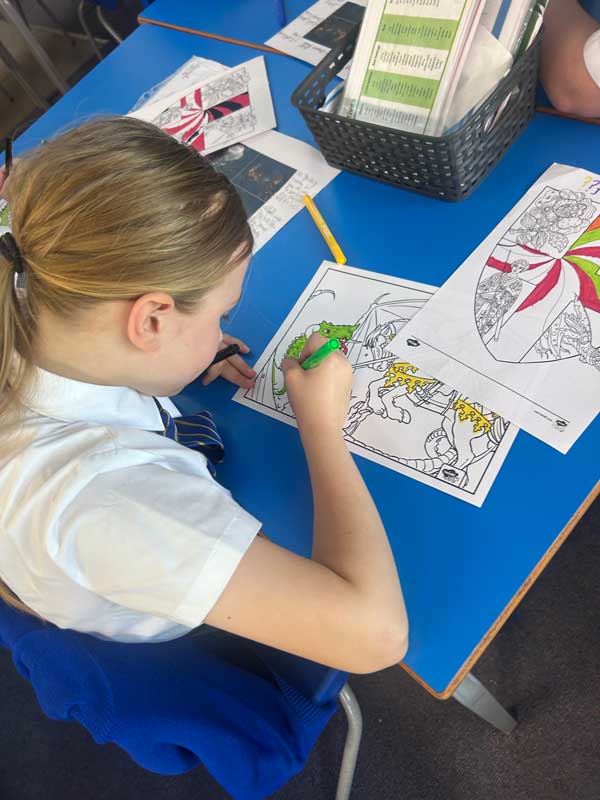
Year 4 celebrated St George’s Day through a range of engaging activities. First, we explored the legend of St George and the dragon before entering a themed “Dragon’s Cave” to spark their imagination. The children worked together to think of amazing adjectives and completed cave setting descriptions. We then completed a quiz to test our knowledge and worked collaboratively to answer questions. The day ended with creative craft activities, including colouring and designing dragon-themed artwork.
Year 5
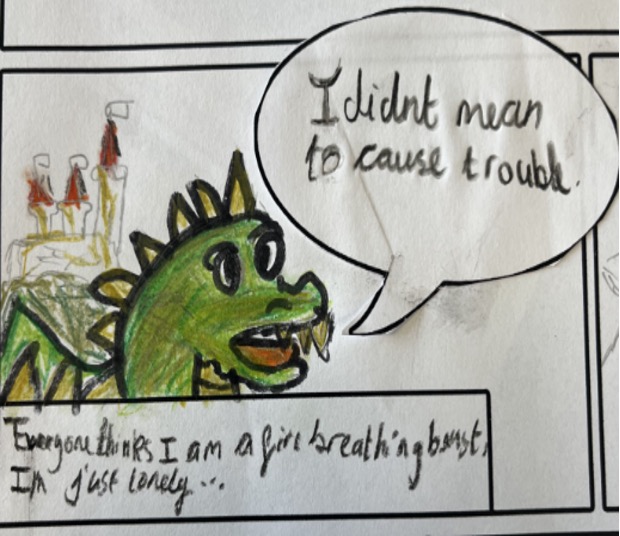
Today during SMSC Day, Year 5 learned about St George’s Day, exploring who Saint George was and the legend of St George and the Dragon. The children discussed whether the story is fact or fiction and what it teaches about bravery and perspective.
The children explored the idea of different viewpoints by rewriting the story from the dragon’s perspective, using descriptive and figurative language. They then created comic strips to retell their version of the story, showing key events and emotions. At the end of the day, the children completed a quiz to check their understanding of key facts about St George and how the day is celebrated. The day promoted creativity, empathy and an understanding of English heritage and traditions.


Year 6
Today during SMSC Day, Year 5 learned about St George’s Day, exploring who Saint George was and the legend of St George and the Dragon. The children discussed whether the story is fact or fiction and what it teaches about bravery and perspective.
Year 6 enjoyed learning about St George’s Day and exploring both the history and the legend behind it. They found out about Saint George and why he is remembered as the patron saint of England. The class learned about how St George’s Day is celebrated each year on 23rd April and discussed how traditions have changed over time.
As part of their learning, the children explored the famous story of George and the Dragon. They looked closely at the legend and thought about its meaning, including ideas of bravery, courage and making difficult choices. This led into a lively class debate where pupils considered whether George should have slain the dragon or not. They shared thoughtful opinions, giving reasons for their views and listening respectfully to others. To finish the day, the children created their own artwork inspired by St George’s Day. They used a range of materials and techniques to produce creative pieces. The final outcomes showed great imagination and reflected their understanding of the story and its themes.

Armed Forces Day - 27th June
Year 1
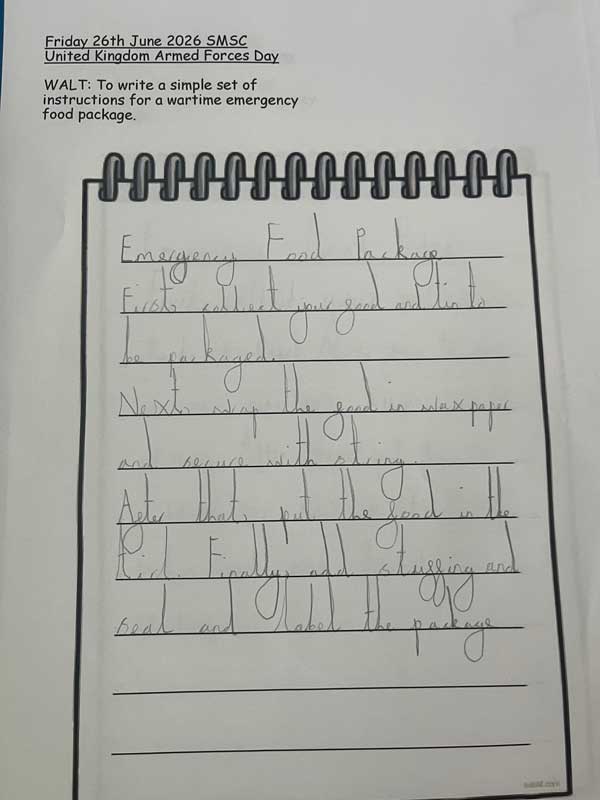
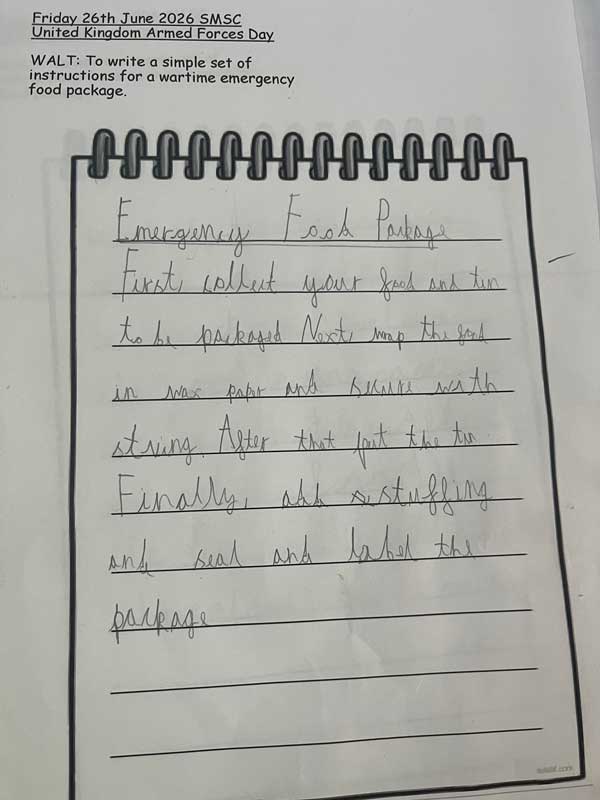
Today, Year 1 celebrated Armed Forces Day. We learnt who was in the armed Forces and how they help the community. Then we looked at how the armed forces helped during WW2. Some armed forces helped to deliver rations to families. We wrote a set of instructions for how to package these rations and then learnt what food was sent to the families. We were a little shocked to learn stale bread was used in recipes to avoid waste.


Year 2
Year 2 took part in a range of activities linked to Armed Forces Day in the United Kingdom. The children learned about the important role that members of the armed forces play and explored how they help and support people both in the UK and around the world.During the day, the children discussed the values and qualities needed to serve in the armed forces, including courage, teamwork, respect, determination and responsibility. They reflected on why these values are important and considered how they can demonstrate them in their own daily lives.
The children also explored the importance of communication within the armed forces. They enjoyed decoding secret messages and creating their own codes for their classmates to solve, developing their problem-solving and critical thinking skills.To conclude their learning, the children designed and created their own communication devices. This exciting challenge encouraged creativity, teamwork and innovation as they thought about different ways messages can be sent and received.
Year 4
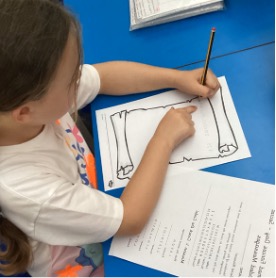
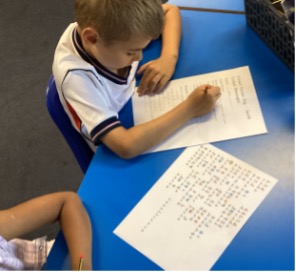
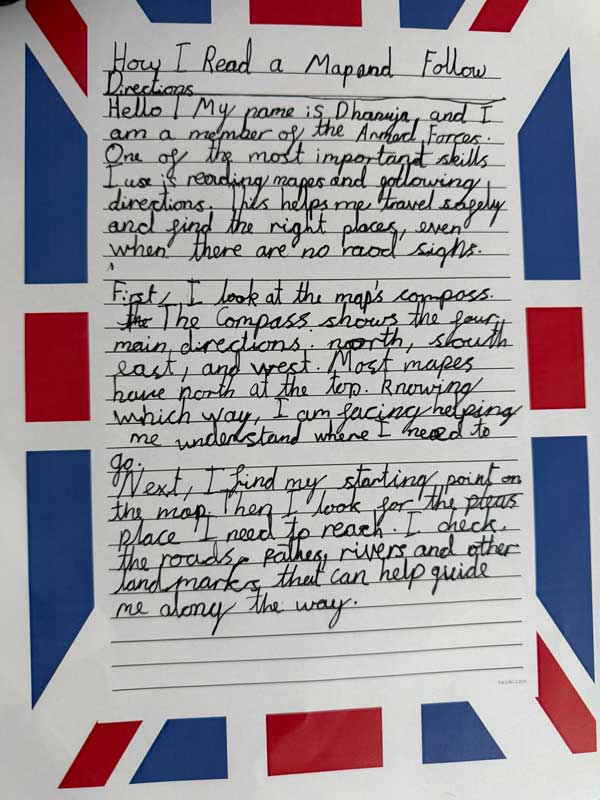
This morning, Year 4 have been learning about the UK Armed Forces to celebrate the amazing work they do for our country. We looked at the RAF, Royal Army and Royal Navy and looked at how they read maps to support with navigation and completed an Armed Forces Day navigation challenge.

Year 5
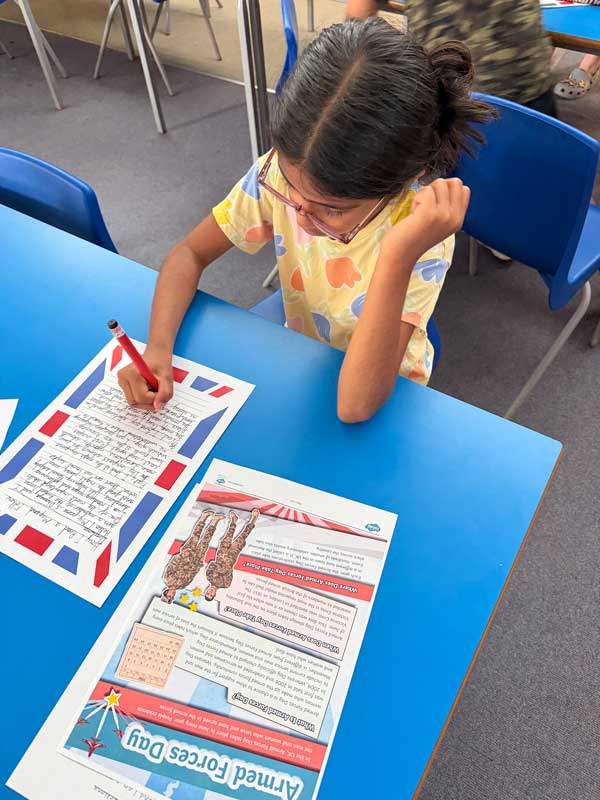
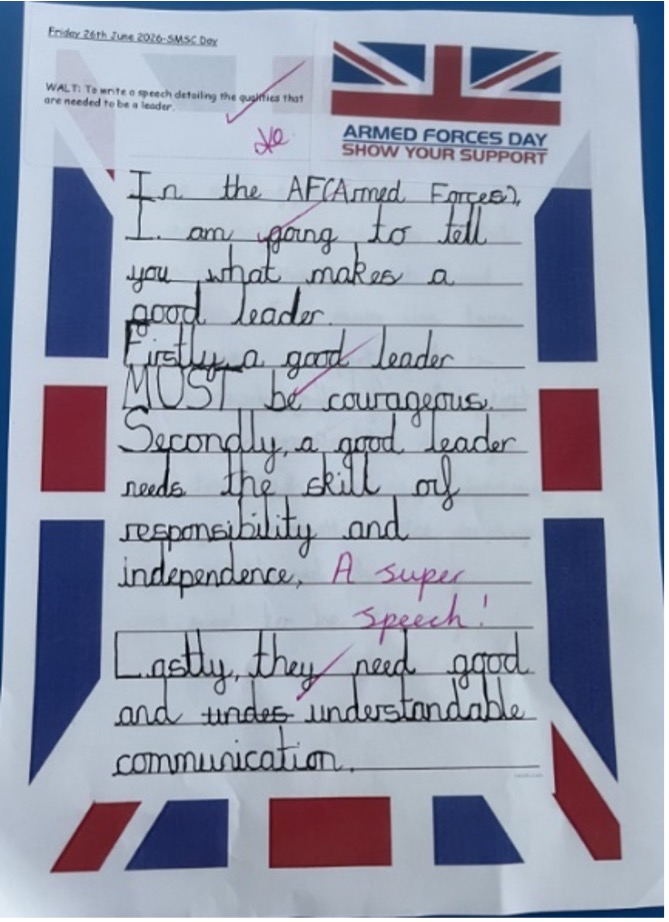
Today during SMSC Day, Year 5 learned about Armed Forces Day and the important work of the British Armed Forces. The children discovered how the Royal Navy, British Army and Royal Air Force help to protect people, provide aid during emergencies and support communities around the world.The children explored the qualities needed to be a successful leader, including courage, teamwork, respect, resilience and responsibility. They used these ideas to plan and write persuasive speeches explaining what makes a great leader.
In the afternoon, the children worked in teams to complete an exciting bridge-building challenge. Using only the materials provided, they designed and built a bridge that had to span a 30 cm gap and hold as much weight as possible. Throughout the challenge, everyone had the opportunity to be the team leader, encouraging communication, problem-solving and teamwork.The day promoted respect, resilience, leadership and collaboration, while helping the children develop a greater appreciation for the dedication and service of the men and women in the British Armed Forces.


Year 6
This morning, Year 6 have been learning about the UK Armed Forces to celebrate the amazing work they do for our country. We looked at the RAF, Royal Army and Royal Navy and looked at the importance of their roles within our society. We then created some Free Verse poems to reflect our thoughts and feelings on this day.